 Your AI partner for the new era
Your AI partner for the new era
Your AI partner for the new era
Last Modified: December 7th, 2025
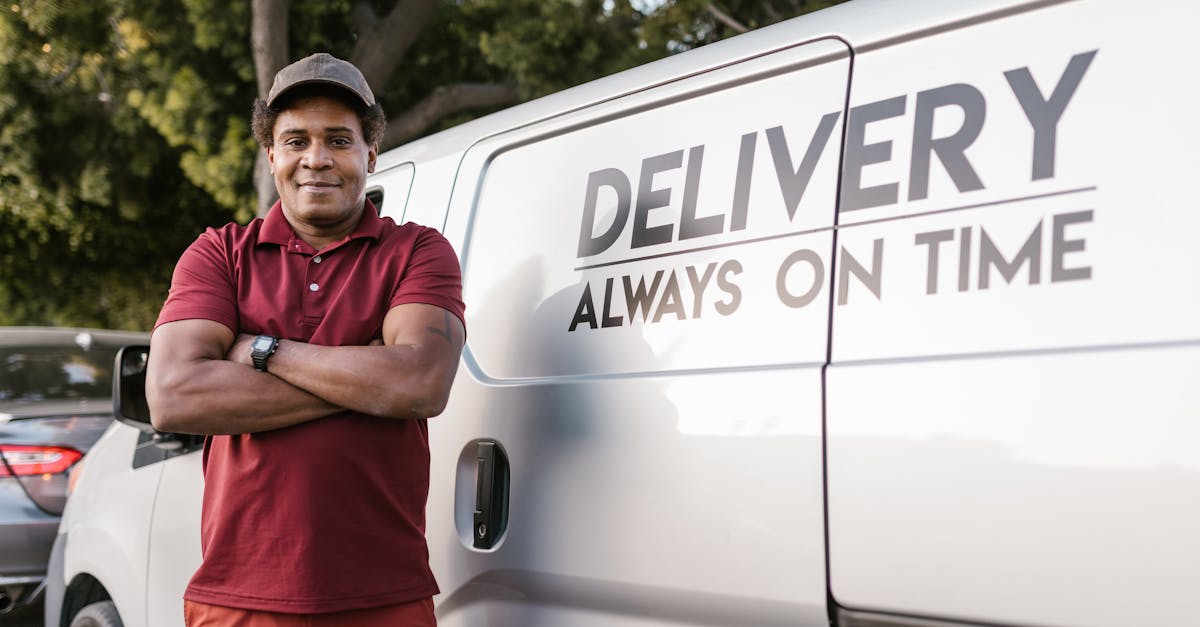
Same‑day couriers live in chaos: tight windows, last‑minute orders, and traffic that never cooperates. Every detour or manual reroute steals a stop. Fuel burns. Overtime ticks. Sound familiar?
AI route optimization changes that. It reshapes routes on the fly, powers real‑time dispatching when a rush order hits, and suggests smarter pricing by distance, urgency, and capacity. The result? more deliveries per driver, fewer miles per stop, fewer missed windows, and tighter control over labor and fuel. No crystal ball—just your order data, GPS pings, service windows, and traffic feeds working together.
In this article you’ll see what’s possible, which tools and data you need, and a simple path to pilot, prove ROI, and scale without disrupting today’s runs.
Think of AI as a live control tower for last‑mile delivery. It watches orders, traffic, driver status, and time windows in realtime—and quietly reshapes the plan so you hit more stops with fewer miles. No heroics. Just smarter routing, dispatching, and pricing working together all day.
For dispatch, that means instant visibility and fewer fires. A rush job shows up? The system slots it with the best driver based on location, capacity, and service time. A delay pops up? It flags the stop at risk and suggests an auto‑reassign before the window slips. You set the rules; it enforces them, so crews stay balanced and overtime stays in check.
For drivers, routes get re‑sequenced in seconds—not minutes. Turn‑by‑turn updates reflect live traffic and realistic service times, so you’re not backtracking across town. Batch nearby pickups, avoid deadhead miles, and capture clean proof‑of‑delivery without the back‑and‑forth calls. Less stress, more completed drops.
For customers, ETAs are accurate and proactive. They get clear updates and fewer missed windows. And with smart pricing that factors distance, urgency, and capacity, you protect margin on hot jobs while keeping rates fair. The bottom line? More stops per driver, 8–15% fewer miles per route, and tighter fuel and labor spend. It runs in the background as the day changes, so you can focus on running the operation—not chasing it.
The route you set at 6 a.m. is stale by 9:15. Dynamic routing fixes that. As traffic shifts, orders drop in, a stop cancels, or a driver gets delayed, the system re‑sequences only the affected part of the plan in realtime—keeping promises without blowing up the whole day.
Under the hood, an optimizer balances hard and soft constraints: time windows, realistic service times, vehicle capacity and weight, driver hours, priority rush jobs, even zone preferences. It blends live speeds with historical dwell times to set accurate ETAs, then micro‑replans when triggers hit (new order, delay event, capacity change). Guardrails keep it sane: cap re‑routes per hour, don’t push changes while a vehicle is moving, and lock critical appointments unless risk exceeds a threshold.
Drivers see a clean stop order in the app, plus turn‑by‑turn updates when it matters—batching nearby pickups, trimming deadhead, and surfacing the next high‑risk stop. Dispatch keeps control with exception cues, simple overrides, and tweakable rules—no need to call every van. You don’t need heroics; you need a system that adapts.
The payoff is practical: shorter distances, tighter ETAs, and higher first‑attempt success. In fact, peer‑reviewed findings show AI‑driven routing and real‑time fleet management reduce delivery times, fuel consumption, and costs while improving ETA accuracy and ROI.
Get this foundation right and everything downstream gets easier—fast reassignment, live ETAs, fewer missed windows, and calmer radios.
When a rush job lands at 11:12, you can’t wait five minutes to reshuffle. Real‑time dispatch assigns or reassigns the stop in seconds based on proximity, current workload, service level, and traffic. The driver already closest—with capacity and time left—gets it. No guesswork, no chaos.
As the day shifts, routes flex. If a delay threatens a promise, the system flags the at‑risk stop and suggests a clean swap before the window slips. Dispatchers stay in control with exception‑based visibility: what’s on time, what’s heating up, and the smartest fix that won’t derail everything else.
Live ETAs do the heavy lifting on the customer side. Accurate windows and proactive notifications keep recipients ready—or let them nudge the delivery time within your rules. That alone reduces not‑at‑home failures and the wasted miles that follow. Simple: better info in, fewer do‑overs out.
This isn’t theory. Industry leaders report that AI‑driven dynamic route sequencing and live customer ETA updates improve first‑attempt delivery while cutting fuel through smarter planning. You get smoother days and steadier costs.
Drivers see clean, re‑sequenced stops and turn‑by‑turns that reflect reality—not yesterday’s plan. Dispatch focuses on priorities: rescue a VIP, protect tight windows, hold overtime down. And because changes are targeted, you don’t blow up whole routes just to fix one late stop.
The result? More completed drops, fewer missed windows, calmer radios. With this backbone in place, you can shape demand and promises around true capacity—without sacrificing service.
Pricing shouldn’t just cover costs—it should steer demand to where you have capacity. With capacity‑aware pricing, you set a clear base fare plus per‑mile/minute, then let small, transparent modifiers do the work: modest premiums for tight or peak windows, and discounts for flexible slots or off‑peak pickups. It’s fair, easy to explain, and it quietly pulls orders into the parts of the day and map that run most efficiently.
Here’s how it plays out. The system reads live capacity, route density, traffic, and predicted dwell times, then highlights “green” windows where you can add stops cheaply and “red” ones where you’re nearly full. Customers see honest options: pay a little more for a 1‑hour rush, or save for a wider window. You avoid over‑promising, protect margin, and reduce overtime without saying “no”—you simply price to what the network can truly handle.
As conditions change, pricing updates within guardrails you set: floors/ceilings, customer tiers, and service‑level rules. Midtown 2–4pm almost full? Add an 8–12% premium. Shoulder 6–8pm light? Offer 10% off. Empty backhaul near a pickup cluster? Prompt an add‑on at marginal‑cost pricing. The effect is practical: higher stop density, fewer empty miles, steadier labor. Drivers don’t get pushed harder; the plan gets smarter. And because the math ties to real capacity, you keep service realistic and your cost curve under control.
Independent research backs what operators see on the ground: pair predictive analytics with reinforcement‑learning routing, and performance moves in the right direction—fast. It isn’t about squeezing drivers. It’s about smarter sequencing, better time predictions, and fewer deadhead miles so each route flows instead of fights you.
In a peer‑reviewed study of fast delivery networks, predictive analytics combined with reinforcement‑learning route optimization reduced average delivery time, increased on‑time deliveries, and lowered driver idle time. The same work also notes personalization gains on the customer side. The mechanism is simple: the system learns realistic service times, forecasts demand, reorders stops based on live conditions, and adapts without blowing up the whole plan.
Why it works in practice: better ETA accuracy means fewer “wait around” gaps; adaptive resequencing trims unnecessary criss‑crossing; and capacity‑aware choices prevent over‑promising in tight zones. Drivers don’t get pushed harder—they get cleaner routes with fewer surprises. Dispatch gets fewer fire drills and clearer exceptions to fix.
The takeaway for SMB couriers is straightforward: measurable, repeatable gains are achievable with well‑implemented AI workflows. Start by tracking the basics—average delivery time, on‑time rate, idle minutes per shift—and you’ll see the lift as soon as the system starts learning your patterns. With clean data and light change management, you don’t need a giant overhaul to bank real savings and steadier service.
Start with clean data. Standardize addresses (validate + geocode), set realistic service times by stop type, and define driver shifts, breaks, and vehicle capacity/weight. Map device IDs to drivers and vehicles. Turn on GPS/telematics with 15–30s pings. Pick a driver app that supports turn‑by‑turn, barcode scan/POD, status codes, and simple exception flags. Small detail, big impact.
Design a focused pilot. Choose one dense zone and 6–10 drivers. Baseline for a week: deliveries/hour, miles/stop, on‑time %, overtime hours. Then run A/B routes for 2–4 weeks: half control, half with AI‑assisted dynamic routing and realtime dispatch. Keep volumes comparable and drivers consistent to avoid noisy results. Expect day two to look messy—that’s normal while the model learns.
Tune fast. After week one, adjust service time assumptions, time‑window rules, max re‑sequences per hour, and auto‑assign triggers. Calibrate capacity‑aware pricing guardrails (floors/ceilings, customer tiers) to nudge demand without shocking loyal accounts.
Integrate and manage change. Start light (CSV/order import, basic webhooks for ETA) before deeper TMS/WMS and telematics APIs. Train dispatchers with two short sessions and a “shadow mode” week. Align incentives: small on‑time and first‑attempt bonuses; recognize fuel‑per‑stop gains. Create playbooks for late‑risk, no‑access, and overload scenarios so teams don’t guess under pressure.
Industry guidance is clear: dynamic routing, predictive analytics, and dynamic scheduling deliver gains, but integration complexity, data management, and organizational resistance are the common pitfalls. Set success criteria upfront (for example +10–15% deliveries/driver, −8–12% miles/stop, fewer missed windows). If you hit them, expand zone‑by‑zone and lock in the playbooks.
AI route optimization, real‑time dispatching, and capacity‑aware pricing aren’t separate tools—they’re a system. Working together, they raise deliveries per driver, cut fuel and overtime, and protect on‑time performance without burning out your team. Think about it: tighter stop sequencing, live reassignment when the day shifts, and pricing that nudges demand into your true capacity. That’s how you get more done with the same fleet.
The path is practical, not painful. Start small with clean data and a focused pilot in one dense zone. Baseline a few KPIs, let the model learn, and tune guardrails so changes are helpful—not disruptive. When you see steadier ETAs and fewer missed windows, expand zone‑by‑zone. Keep what works, retire what doesn’t, and build simple playbooks so your team feels in control.
If you want a low‑risk way to prove ROI, we can help. We’re an AI consulting partner for SMBs and can guide tool selection, implementation, integration, and KPI tracking from day one. Ready to see how many more stops your drivers can complete without the extra miles? Reach out to 1808lab and let’s scope a fast, focused pilot that fits your operation.