 Your AI partner for the new era
Your AI partner for the new era
Your AI partner for the new era
Last Modified: February 10th, 2026
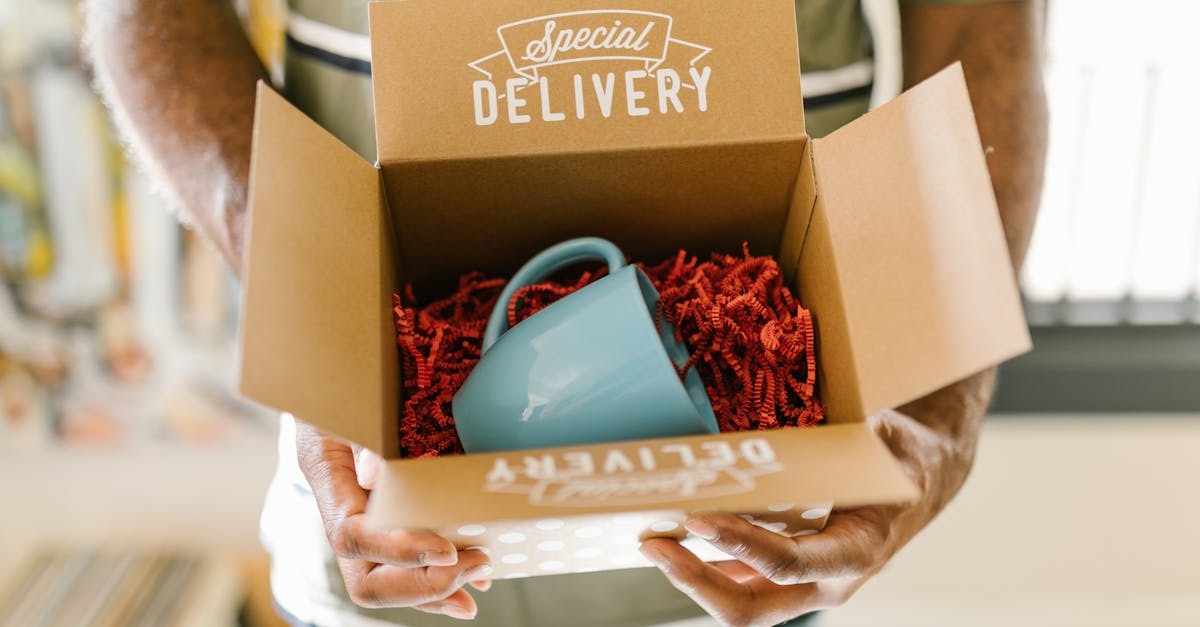
Running a subscription box isn’t easy. Thin margins, variable demand, and churn can eat profit fast. That’s exactly where AI helps—by turning the data you already collect (orders, skips, ratings, support notes) into smarter moves: personalize each box, forecast demand before you buy, and flag customers likely to cancel so you can win them back.
You don’t need a big data team. Start with tools you probably already use—your ecommerce platform, email engagement, simple surveys—and add lightweight models on top. The payoff is real: higher retention, fewer stockouts, and less dead inventory.
Track what matters: churn rate, retention, average order value, forecast accuracy, inventory turns, and skip rate. Do more with what you’ve got—less waste, less guesswork. Now let’s make each box feel made‑for‑them.
Start simple: a short signup quiz and a 10‑second post‑delivery check‑in. Ask what they love (styles, flavors, functions), what to avoid (allergens, duplicates), and what they’re chasing (discovery, value, premium). Keep it friendly. Every answer is a signal you can act on next month.
Then tag your catalog. Use clear attributes like style (minimalist, bold), flavor (citrus, savory), function (hydration, recovery), size, price tier, and season. Don’t go nuts—10–20 tags cover most SMB assortments and keeps your team sane.
Here’s where hybrid magic works best. Rules handle the basics—filter no‑go’s, respect past keeps, avoid repeats—then a lightweight recommender ranks the remaining items by “likely to delight.” It picks a hero item first, then suggests 1–3 complementary pieces that fit the vibe and price. You stay in control: nudge toward new arrivals, cap risky bets, and sprinkle the occasional surprise so it doesn’t feel robotic.
Add a human pass for edge cases—brand‑new customers, conflicting signals, or VIP boxes. A quick one‑minute curator checklist checks tone, seasonality, and storyline—so the box still feels artfully curated, not just optimized.
Every action—keep, swap, skip reason, rating—feeds the loop. Preferences sharpen, tags evolve, and next month’s picks get smarter. As highlighted in this MIT Sloan Review analysis of AI‑driven personalization in subscription e‑commerce, tighter relevance lifts engagement and retention. You’ll be surprised how fast it learns—and how quickly lower churn turns into higher lifetime value.
Inventory makes or breaks your margin. Use AI to forecast demand at the product and variant level so you buy the right stuff, in the right quantities, at the right time. Start with the data you already have: order history, keeps/returns, seasonal spikes, promo plans, and supplier lead times. Then layer simple logic—baseline trends + seasonality + promo lift—so you’re not guessing.
Turn forecasts into a clear buy plan. Map each SKU’s lead time and order window, include MOQs and case packs, and set safety stock based on volatility and desired service level. Quick rule of thumb: protect fast movers with 2–3 weeks of cover, slow movers with 1–2, and cap perishables or trend items to short horizons so cash isn’t stuck on shelves. For bundles, forecast the hero item first, then align accessory buys to its take rate.
Work in a weekly cadence: compare actuals vs. forecast, note stockouts and substitutions, and re‑forecast the next 4–8 weeks. Feed back real signals—keep rate by tag, skip reasons, return notes—so the model downweights duds and buys deeper on winners. You’ll see fewer stockouts, cleaner inventory turns, and boxes assembled on time.
As this industry overview on AI‑curated subscription boxes points out, smarter curation hinges on reliable, data‑driven planning—not hunches. Get demand predictable and your cash flow steadies fast. You’ll be amazed how a simple weekly rhythm keeps planning tight and waste low.
Churn rarely comes out of nowhere. It leaves breadcrumbs—skipped shipments, lower opens and clicks, rising returns, “meh” ratings, even a payment retry. Turn these into a simple churn‑risk score. Add points for each signal, update weekly, and bucket customers into low, medium, and high risk so you can act fast.
Keep it practical. Example signals: cancel‑page visit, 2+ consecutive skips, declining email engagement, 1–2 star product feedback, increased returns, unresolved support issue, or first payment failure. Score 0–100—don’t overthink it. High‑risk? Trigger an immediate save play. Medium? Nudge with value reminders or a style reset. Low? Monitor and keep delight high.
Match interventions to the reason. “Too much stuff”? Offer an easy pause, slower cadence, or a skip credit. “Not my taste”? Surface a 1‑click refresh quiz and a curated redo. “Price”? Present a downsell plan or a targeted perk (bonus item, limited credit) with clear limits. “Delivery problems”? Fast replacement and a shipping upgrade. Surface 2–3 smart alternatives inside the cancellation flow and pre‑select the best fit.
Test, measure, repeat. A/B timing and offers, always with a holdout to prove incrementality. Track saves, net revenue saved, 8–12 week retention, and cost per save. As noted in a practical overview of churn‑prediction methods that combine behavioral and transactional signals, mixing engagement and purchase data boosts accuracy—so your save plays hit when it counts. Keep relevance visible and you’ll quiet the cancel itch before it starts.
Even happy subscribers pause when the value isn’t obvious. Your job each month is simple: re‑prove value before they rethink. Use AI to surface timely, personal cues that say, “This is made for you—and worth it.” Do that consistently and the cancel impulse fades.
Start with tailored previews. Send a quick sneak peek with a clear “why this pick” note and 1‑click swap options. Then echo it across channels—email, SMS, app, even a postcard for VIPs—so the message lands where they’re most active. AI can rank which angle to lead with for each person: discovery, fit, or savings. Small touch. Big lift. And don’t make them hunt; put the swap window and ship date up front.
Make the value math visible. Show a rolling savings tally (retail vs. box), streaks (“3 months of perfect picks”), and milestone rewards (anniversary bonus, points multiplier, early access). If you’ve got stores or pop‑ups, mirror it in person: scan a QR to preview next month, redeem a perk, or note a preference on the spot—same profile, same benefits.
Reduce fatigue with control, not pressure. Offer an easy pause, slower cadence, or a smart downsell when signals suggest overload. Back it with friendly, contextual nudges: “Last month you rated citrus 5★—want more like that?” As highlighted by University at Buffalo research on AI‑driven subscription models reshaping retail, ongoing, personalized experiences keep relevance front and center. Every preview, swap, and reward quietly feeds the next touch—so delight compounds.
You don’t need a data lake to get value. Start with a minimum, reusable dataset you can capture once and feed everywhere: customer profile and preferences (taste, allergens, budget, cadence), box contents (SKUs, tags, price), outcomes (kept, returned, swapped), skips (with reason), product ratings, support tickets (reason codes), and campaign engagement (open, click, reply, unsubscribe). That’s it—lean, actionable, and focused on decisions.
Instrument a few simple events and standard fields so everything joins cleanly. Examples: quiz_submitted, preference_updated, box_shipped, item_kept, item_swapped, box_skipped, rating_submitted, support_tagged, campaign_open, campaign_click, cancel_intent_viewed. Include customer_id, subscription_id, order_id, sku, timestamp, tags, and reason_code. One schema, many uses: the same stream powers recommendations (taste + outcomes), forecasting (SKU demand + lead times), and churn scoring (behavior + engagement).
Keep the plumbing light. Use your ecommerce platform’s webhooks or exports, your email tool’s event feed, and your help desk’s tags, then land records in a central sheet or warehouse. Set a weekly QA pass: check missing IDs, duplicates, or uncoded reasons. Tag your catalog once and you’ll enrich every future event automatically.
Be clear and fair with customers. Explain what you collect and why, offer easy preference controls, and let them opt out of certain data uses. Don’t trap them in a filter bubble—periodically add a small “discovery” item (say 10–20% of the box) with guardrails: still on‑brand, no hard no‑go’s. That keeps delight high while your loop keeps learning—and improving—every month.
Here’s a fast, low‑lift roadmap to prove impact without a big rebuild. Keep it scrappy, measurable, and customer‑first.
Days 0–30: Foundation and signal capture — Map clean product tags, write a 6–8 question signup quiz, and add a 10‑second post‑delivery check‑in. Ship a simple rules‑based curation (no‑go filters, repeat blocks, price guardrails) with a human QA pass for edge cases. Stand up basic events (quiz_submitted, box_shipped, item_kept, box_skipped, rating_submitted) and a single sheet to join by customer_id and sku. Baseline KPIs: keep rate, skips, stockouts, and cancel attempts. Don’t aim for perfect—aim for usable.
Days 31–60: Pilot and predict — Test lightweight recommendations on add‑ons and swaps (email/SMS/site). Start with a 50/50 control to measure real lift. Build a SKU‑level forecast in a spreadsheet: trend + seasonality + promo notes, with lead times, MOQs, and safety stock. Review weekly, adjust outliers, and note substitutions. Launch churn alerts for high‑risk signals and use one best save play (e.g., pause + style refresh) to keep ops simple.
Days 61–90: Rollout and automate — Fold personalized ranking into core curation after rules. Add A/B tests for save timing and offer framing. Connect your forecast to purchasing: auto‑create a buy plan by SKU with order windows, case packs, and caps for perishables. Set a weekly ops rhythm: forecast vs. actuals, saves vs. holdout, aged inventory. Lock a box assembly SLA so product arrives, kits cleanly, ships on time.
By day 90 you’ll see clearer forecasts, tighter boxes, and fewer cancels—evidence you can scale with confidence.
AI pays off fastest in subscription commerce when it’s practical and focused. Personalize picks to lift delight, forecast demand to cut waste and stockouts, and run proactive save plays to reduce churn. Together, these moves compound into healthier, more predictable recurring revenue—and a calmer ops calendar.
Start small. Pick one box line or a clear customer cohort. Set a tight KPI set (keep rate, skip rate, forecast accuracy, net saves), then run a simple monthly feedback loop: learn from outcomes, tune the rules, and refresh the model. Keep the human touch for edge cases so boxes still feel curated, not canned. One or two high‑leverage tweaks each month is all you need to build momentum.
Make it repeatable. Lock a lightweight cadence: weekly check‑ins to compare plan vs. actuals, monthly refresh of preferences and tags, and quarterly reviews to double‑down on what works. You don’t need heavy IT—just clean signals, clear guardrails, and the will to iterate.
If you want a partner to move fast without breaking your brand, we can help. 1808lab will audit your data, stand up practical recommendation and demand‑forecasting workflows, and design retention plays that fit your tone and operations. Ready to pilot and prove ROI in weeks, not months? Reach out to 1808lab and let’s build a subscription engine that grows predictably.