 Your AI partner for the new era
Your AI partner for the new era
Your AI partner for the new era
Last Modified: December 6th, 2025
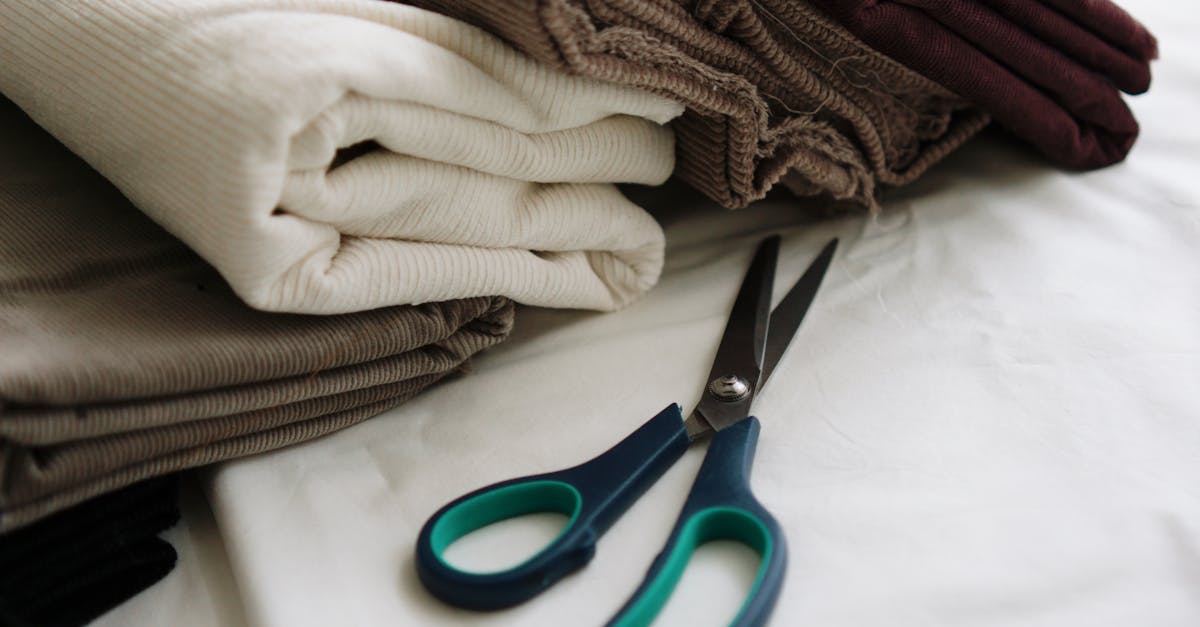
Independent tailor and alteration shops live with wild swings in demand — walk‑in surges, surprise long jobs, and those tiny delays that pile up. That’s exactly where Scheduling AI helps. Smart, AI‑driven appointment tools balance fittings, pickups, and alterations against who’s working and how long each task really takes. The payoff is obvious: faster turnarounds, fewer overtime spikes, fewer paid‑but‑empty gaps — and a smoother, less stressful experience for your customers.
And it doesn’t stop at the calendar. Guided phone measurements cut re‑fits, and fabric‑planning tools suggest smarter cuts so you waste less material. You don’t need a full data team — just practical tools that slide into your current flow. I’ll show where to start, which tools to consider, and how to prove ROI with simple metrics: on‑time completion, jobs per day, and fabric used per order. Faster flow, less waste, happier customers, steadier cash.
You’re not short on skill — you’re short on flow. Small, repeatable time leaks quietly eat your margins. Spot them, fix them, and you unlock faster turnaround without hiring more people.
Overbooked calendars. Manual scheduling guesses at job length. A quick hem grabs the same slot as a complicated jacket reshape, or the wrong tailor gets assigned. The result: bottlenecks at peak times, idle gaps mid‑day, and late pickups that cascade.
No‑shows and walk‑ins. A missed fitting leaves a 30–60 minute hole. Then a walk‑in rush hits and you’re paying overtime to catch up. That’s capacity whiplash — and it’s avoidable.
Inaccurate measurements. Tape‑measure slip‑ups lead to refits and recuts. Every redo costs fabric, table time, and customer patience. Two extra fittings on a suit? That’s your afternoon, gone.
Fabric waste. Recuts and ad‑hoc layouts produce scrap you can’t sell. Without suggested cut plans or yield tracking, losing 3–8% of fabric on common jobs is easy.
Status blackouts. Unclear job status means missed pickup reminders, cluttered racks, and five‑plus minutes hunting for each order. Finished‑but‑uncollected pieces tie up cash and floor space.
Why care? These leaks show up in on‑time rates, jobs per day, fabric yield %, and labor utilization. Do a quick 30‑day audit: count no‑shows, refits, recuts, idle hours, and overtime. You’ll see the fastest wins. Fix the calendar first and the rest starts moving.
Stop guessing. Scheduling AI books the right job at the right time with the right tailor. The system learns typical durations by job type and by staff skill, then recommends slots, auto‑adds realistic buffers, and batches similar tasks. If hems are 20 minutes with Ana but 35 with Marco, it schedules accordingly and lines up three hems back‑to‑back to cut setup time.
Capacity becomes proactive, not reactive. The calendar forecasts demand surges (proms, weddings), protects peak hours, and turns cancellations into opportunities by offering freed slots to a waitlist. A last‑minute drop? It pings nearby customers for an earlier fitting or pickup so those 30–60 minute holes don’t stay empty. You won’t babysit the calendar — the system does the juggling.
No‑shows under control. Smart reminders (SMS/email), confirmations, and gentle deposits on high‑risk time slots reduce no‑shows without hurting the customer experience. Set rules: double‑confirm premium appointments; auto‑reschedule low‑complexity work to quieter times.
This is decision intelligence in action — tools that move from suggestions to guided automation and lift throughput. In fashion and apparel, AI‑fueled decision intelligence moves from decision support to autonomous execution to improve efficiency and responsiveness — your shop can use the same playbook.
The payoff is simple: higher on‑time completion, more jobs per day, fewer overtime spikes, and customers who get their garments when promised. That’s a smoother day — and stronger cashflow.
Measurement mistakes cause refits, delays, and awkward second visits. Computer‑vision tools fix that. With guided phone scans, you or your customer capture front/side photos in good light, and the system extracts consistent body measurements in seconds. It prompts for posture, heel height, and garment type, so you’re not relying on memory or messy notes. Fewer errors, fewer do‑overs, faster handoffs.
How it works: during intake the app highlights landmarks (waist, hip, knee, sleeve break) and gives a confidence score. If something looks off, it flags a quick in‑person check instead of sending you down the redo path. Then it saves a private, reusable Fit Profile — measurements, fit preferences, tailoring notes. Next time the same client needs a hem or sleeve tweak, you start with accurate baselines and skip the extra fitting.
This isn’t just theory. Teams already use AI fit/size assistants and virtual try‑ons to improve sizing accuracy and operational efficiency. You get the same benefits on a small scale: enable remote intake for simple jobs, auto‑suggest realistic appointment lengths, and reduce back‑and‑forth before the needle moves. You stay in control — AI brings consistency and speed, your craftsmanship makes the nuanced calls. That accuracy pays off later when you plan cuts and layouts — less risk, less waste. You don’t need to be a tech expert; it just plugs into your flow.
Offcuts and recuts quietly kill margin. AI‑guided patterning flips the script. Instead of eyeballing pieces on the table, a nesting engine places each piece to maximize yield based on fabric width, nap/print direction, stretch, and even known defects.
For alterations, digitize common templates — pant hems, tapers, sleeve shortens, skirt take‑ins — once. The system builds reusable markers and suggests the smallest usable remnant or roll length, with the rotation and grain rules you set. On a tablet you get a guided layout; some shops use a projector to trace placements, but simple paper printouts work fine too.
Before you cut, computer‑vision scans the cloth for flaws, stains, or pattern mismatches and flags them so you avoid costly rework. Independent research highlights efficiency gains from computer vision and data‑driven processes that improve quality and reduce waste across the garment workflow — exactly what you need on a small table.
You’ll track yield automatically (% of fabric used per job), see scrap trends by garment type, and build a searchable remnant library with sizes/labels for future jobs. Shops typically claw back several percentage points of fabric; fewer recuts also mean less labor and faster promise dates.
The kicker? Better cut plans make pricing and timelines more accurate, so quotes land with confidence — and customer updates and pickup prompts stay realistic. It won’t slow you down; it removes friction you can’t afford.
Your front desk is swamped with “How much?” and “Is it ready yet?” messages. An AI assistant on your site, WhatsApp, or Instagram DM handles routine asks. It asks guided questions (garment, fabric, issue, deadline), collects photos, and proposes appointment windows based on live capacity — so you cut the back‑and‑forth and keep needles moving.
Instant, consistent quotes. A rules‑based quote builder uses your price table and urgency rules to give a clear range, then offers add‑ons (rush, same‑day hem) where appropriate. Complex jobs? It flags them for review and routes to the right tailor. You don’t lose leads while you’re at the machine.
Real‑time updates without phone tag. When a job moves from “In queue” to “On the table” to “Ready for pickup,” customers get SMS/DM updates with ETAs. Missed fittings trigger auto‑reschedules; cancellations open slots and ping the waitlist. Pickup prompts escalate gently — reminders at 24/72 hours, then a friendly storage policy note — to clear racks and speed cash collection.
Two‑way approvals, fewer refits. Need confirmation on hem length? Send a quick photo for a thumbs‑up before you stitch. It’s fast, documented, and reduces do‑overs.
Brand work already shows AI chatbots enhancing customer interactions and streamlining workflows. You get the same efficiency on a smaller footprint: fewer calls, tighter timelines, clearer expectations. Set tone, language, and escalation rules, and keep a human to jump in for edge cases. The result: smoother flow and happier clients — without extra front‑desk workload.
Here’s a simple plan to get AI scheduling and measurement working fast — without blowing up your week. Start by naming your goal: cut turnaround time by 20% and lift on‑time delivery. Then set baselines to track weekly: average turnaround (days), on‑time %, jobs per day, remakes/refits, and fabric scrap %.
Week 1 — Scheduling first. Define appointment types (hem, taper, sleeve, complex suit work) with typical durations and buffers. Map staff skills so the right jobs land with the right tailor. Turn on online booking, SMS/email reminders, and a basic waitlist. Add booking links to your Google profile and socials. You’ll smooth demand and protect peak hours fast.
Week 2 — Calibrate and control no‑shows. Review duration accuracy and adjust by staff. Enable confirmations and gentle deposits on high‑risk slots. Use AI rules to batch similar jobs and auto‑offer cancellations to the waitlist. Throughput climbs; overtime drops.
Week 3 — Pilot automated measurements. Start with low‑risk jobs (hems, sleeve tweaks). Create Fit Profiles and test guided phone capture in good light. Keep a human in the loop for final fit decisions. Record refits avoided — that’s real money.
Week 4 — Fabric and templates. Digitize common alteration templates and try AI‑guided layouts on a small set. Label remnants and log fabric yield per job. Expect scrap to fall.
Privacy and consent. Get explicit opt‑in for photos/measurements, store securely, set a retention window, and restrict access. End each week with a 15‑minute metric review and one change for next week. If you want help, 1808lab can plug this in with minimal disruption.
AI won’t replace your eye for fit, balance, and drape — it strips away friction around time, data, and back‑and‑forth so your craft can shine. When the calendar self‑balances, measurements are consistent, and cuts are planned smartly, you move faster without cutting corners.
The payoff is practical: quicker promise dates, steadier flow, fewer reworks, and customers who feel genuinely looked after. You’ll quote with confidence, deliver on time, and free up headspace for the complex, high‑value work only you can do. It’s not magic — it’s method.
Start small. Pick one workflow — scheduling or measurements — implement it, then measure the lift. If it works, layer in the next piece. Keep it simple: watch turnaround days, on‑time delivery, and scrap. You won’t need new headcount; you’ll reclaim hours you already own.
Most important: you stay in control. Tools do coordination; you make the fit calls. That’s how you cut turnaround without losing craftsmanship. And if you’d like a no‑drama rollout, we’re an SMB‑focused AI consulting partner. We’ll help you select the right tools, wire them into booking and comms, train your team, and prove ROI with clear metrics. Ready to move faster and keep quality tight? Talk to 1808lab about implementing AI in your shop — we’ll help you get results without disrupting your day.