 Your AI partner for the new era
Your AI partner for the new era
Your AI partner for the new era
Last Modified: November 27th, 2025
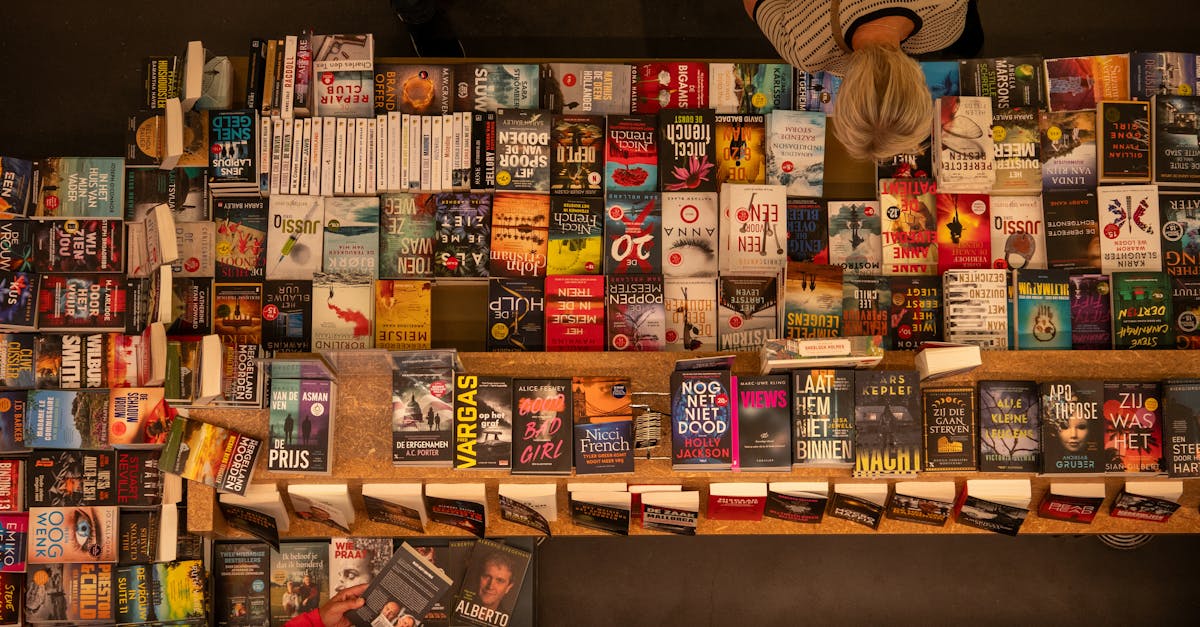
Independent bookstores live on a knife‑edge: stock enough to delight, but not so much that cash is trapped on the shelf. That tension has sharpened as demand swings faster—local events, social buzz, seasonal spikes. You don’t have to guess anymore.
AI helps you forecast demand title‑by‑title, cut overstock, and prevent the stockouts that cost easy sales. It won’t replace your taste or curation—it amplifies them, pulling data from POS, ecommerce, and foot traffic so you buy smarter and hand‑sell with confidence. Fewer returns. Better turns. Stronger cash flow. Sounds straightforward because it is—once it’s set up.
In this guide you’ll get a practical roadmap, the metrics that actually matter (turns, sell‑through, days on hand), and sensible guardrails tailored to indie shops—so AI feels useful, not overwhelming.
Let’s be honest: juggling spreadsheets, vendor catalogs, and gut calls leads to misorders, slow turns, and those “why are we out of that?” moments. AI cleans this up by pulling your POS, ecommerce, and event data into one view—and then helping you act on it.
First, it sets dynamic reorder points by title and format, factoring velocity, lead time, and vendor minimums. No one has time to babysit every reorder; suggested POs update daily, so you buy the right qty at the right time. It also spots substitutes (paperback vs. hardcover, related editions) to save a sale when the exact title is short.
Next, it adds trend alerts. Early signals—local buzz, preorders, author mentions—trigger small test buys before a spike hits. Slow movers get flagged with “return or re‑merchandise” prompts while return windows and co‑op still matter. That means fewer costly returns and better inventory turns.
Finally, it enriches title metadata. Clean categories, themes, age ranges, comps, and tags make your website search smarter and your shelf‑talkers sharper. Staff can hand‑sell faster with quick context: who it’s for, what to pair it with, and what’s hot this week. You feel it at the till—higher sell‑through, steadier days on hand, fewer stockouts.
The payoff? Smoother cash flow, fewer dead piles in the back, and a calmer team. It hums in the background so your people can do what they do best.
Book demand isn’t linear—it spikes around holidays, school lists, awards, BookTok waves, and your own author nights. AI forecasting learns those rhythms from your store’s history and context, then predicts demand by title, series, and category. You get right‑sized orders, not guesses.
Here’s how it works in practice. The model maps seasonality (holiday gifting, summer reading, back‑to‑school), folds in real‑time signals like pre‑order velocity and event RSVPs, and tracks award longlists that nudge backlist. It then outputs weekly forecasts with clear actions: order 6 now, hold 3; delay reprint‑heavy titles; or shift 4 copies from your downtown shop to the neighborhood store before Saturday’s festival. This isn’t theory—there’s technical analysis showing improved forecast accuracy and fewer stockouts/overstocks.
The payoff is tangible. Trim safety stock because uncertainty bands shrink. Catch peaks early (that surprise podcast feature), and soften the dips by tightening orders on slow movers. Multi‑location? Proactive transfers keep units selling instead of sitting—move 5 copies three days earlier and you avoid a zero‑on‑shelf weekend.
Operationally, you’ll see smoother POs, cleaner cash flow, and far fewer “we’re out” moments—especially on frontlist or high‑velocity kids’ titles with longer lead times. As you learn which themes heat up by neighborhood, you’ll know what to surface in conversations and online discovery next. Forecasting stops being a report and starts being a sales lever.
Your staff already knows the regular who loves cozy mysteries or the teen devouring romantasy. AI just scales that intuition. It maps reader preferences to themes, tropes, pacing, and series continuity—so “cozy mystery with a strong female lead, low gore, small‑town vibe” isn’t a guess. It’s a precise match pulled from your full catalog, frontlist and backlist.
The engine learns from signals you already have: purchase history, wishlists, event RSVPs, reading level, even content‑warning preferences. Then it suggests next‑in‑series, read‑alikes, and bundle add‑ons right inside the POS and online. There’s solid backing for this—see peer‑reviewed work on AI‑driven book recommendations.
Tie it to loyalty profiles and you’ll lift attachment rates and repeat visits. Examples: a “Because you loved Legends & Lattes” carousel on your site, a checkout prompt to add the novella, or an email nudge when Book 3 lands. Kids’ section? Surface age‑appropriate picks and flag sensitive content to reduce returns. Staff stay focused on conversations; the system does the searching.
Keep it human with guardrails: explain why a rec appears, make opt‑in preferences clear, and let booksellers override or add Staff Picks. Don’t over‑automate—use AI as your quiet backstage partner. The result: warmer hand‑sells, smarter baskets, and customers who keep coming back.
Swoon City, a Seattle indie romance bookstore, treated AI as a backstage helper, not the headliner. They analyzed local library borrowing patterns by trope and subgenre to shape initial buys and early reorders, then enriched every title with clean romance metadata—tropes, steam level, tone, series order—so staff and search could surface perfect picks fast. They also launched a simple loyalty program with an AI assistant to nudge relevant bundles and event reminders, while keeping the human voice front and center. Read more in a report on indie bookstores’ AI opportunities and Swoon City’s approach.
The impact? Quicker sell‑through on frontlist, fewer “we’re out” moments on obvious favorites, and tighter cash because orders matched local heat. Staff spent less time hunting comps and more time hand‑selling. Customers felt known—“grumpy–sunshine with low angst” wasn’t a lucky guess; it was intentional.
Here’s the line that matters. Operations AI handles the heavy lifting—demand signals, inventory cadence, metadata, and recommendations with clear “why” explanations. Creative work stays human: curation, displays, event ideas, and the voice of your store. Swoon City didn’t ask AI to write reviews or invent shelf talkers; they asked it to make the right books show up at the right time. Keep guardrails—opt‑in profiles, privacy, easy overrides—and you get the best of both worlds: less admin, more community. And yes, this can scale on a tight budget when you start with the data you already own.
Start with a quick data tune‑up. Pull POS exports (last 12–18 months), ecommerce orders, event calendars, and returns reports. Standardize title metadata: use ISBN‑13 as your unique ID, normalize format (HC/PB), clean categories, and map vendor IDs to a single catalog. A simple Google Sheet or Airtable becomes your source of truth—don’t overbuild.
Next, pilot demand forecasting and dynamic reorders on your top 200–300 SKUs (your A/B movers). Feed sales velocity and lead times into a lightweight model, then auto‑generate suggested POs with min/max and vendor minimums. Use no‑code to avoid heavy IT: connect your POS export to a sheet, pipe it into a simple app that shows “Order 6, hold 3,” plus transfer suggestions. For a step‑by‑step view of how SMBs forecast demand, set dynamic reorders, and build no‑code workflows, see this practical guide to AI inventory management.
Layer in recommendations: add tags (themes, tropes, age range, series order) and link to basic loyalty profiles (email/phone). Keep privacy opt‑in and let staff override. Quick wins: POS prompts for “next in series,” site carousels like “Because you loved…”, and event‑triggered bundles.
Train your team with a 30‑minute walkthrough: how alerts work, what to do daily, and when to escalate. Run a weekly loop: review stockouts, turns, and returns; tighten min/max; schedule returns; update tags. Only expand beyond the pilot once in‑stock rate and turns improve for 4–6 weeks. Document a simple SOP so the process scales with calm, not chaos.
If AI is working, you’ll see it in the numbers fast. Track the operational core: in‑stock rate on A/B movers (keep your bestsellers on the shelf), days on hand, stock turns, return rate, and GMROI (gross margin return on inventory). Practical rule: push A/B in‑stock toward the mid‑90s, trim DoH on slow movers, and nudge turns up quarter by quarter. GMROI should climb as cash isn’t trapped in dead copies.
On the sales side, watch attachment rate (add‑ons per transaction), conversion (POS and ecommerce), and repeat‑visit frequency. Recommendations and smart bundles lift attachment; better availability boosts conversion; relevant events bring customers back sooner.
Expect a two‑phase impact. First 4–8 weeks: fewer stockouts, cleaner reorders, tighter returns—immediate revenue you were leaking. Then the compounding phase: personalized recs and events aligned to local demand increase basket size and visit frequency, and GMROI ticks up as working capital turns faster. That’s the flywheel.
This isn’t just theory. The World Economic Forum links AI adoption in retail to higher revenue and lower operating costs—exactly the mix you’re targeting with better forecasts, smarter reorders, and targeted recommendations.
Use a simple weekly dashboard: A/B in‑stock, DoH by category, turns, return rate; plus attachment, conversion, repeats. When KPIs improve, reinvest deliberately—more copies of proven winners, staff hours during peaks, and events that match what your neighborhood is actually buying. Keep it tight, visible, and grounded in real outcomes. And as you scale, don’t forget the basics: clear privacy choices and transparent explanations for recommendations keep trust high.
Trust is your moat. Keep personalization strictly opt‑in, explain in plain language what you collect (email, age range, favorite genres), and why it helps (better picks, fewer misses). Minimize data—if it doesn’t support a clear customer benefit, don’t collect it. Offer one‑click opt‑out and sensible retention windows. That alone calms concerns fast.
Be transparent at the moment of recommendation. Show a simple “Why this?” note: because you loved X, age 9–12 fantasy, trope: enemies‑to‑lovers, or next‑in‑series. Give staff and customers an easy override/hide control. The tone should feel respectful, never pushy.
Data quality makes or breaks results. Put lightweight checks in place: ISBN‑13 validation, dedupe near‑identical records, normalize format (HC/PB), and standardize categories/tropes. Flag outliers (sudden velocity spikes, vendor feed mismatches) for review before they cascade into bad orders. For a concise framework on data accuracy, validation, and governance practices, this guidance is on point.
Assign clear roles so issues don’t linger. A Data Steward keeps metadata clean, a Privacy Lead owns consent/retention, and an Inventory Owner approves reorder rules. Run a quick weekly QA: spot‑check 20 titles, review exceptions, fix the source—not just the symptom. Keep an audit log of rule changes.
Create simple playbooks for mistakes and sensitive content. If a kids title is mis‑tagged, revert, notify customers if needed, and retune the rule. When content is borderline for your community standards, route to human review by default. AI proposes; booksellers decide.
With these guardrails, you get sharper personalization and steadier availability—without risking customer trust or your store’s values.
You don’t need a big‑bang transformation to see real gains. Start with a focused pilot, prove the business case, then scale with confidence. Used well, AI trims carrying costs, keeps your bestsellers in stock, and makes human recommendations land even better. Less guessing. More selling.
Pick a tight set of high‑impact titles, connect your POS and ecommerce exports, and let AI set right‑sized reorder points while nudging clear, human‑readable actions. Add lightweight tags so recs get smarter without extra work. Track a simple scorecard weekly—A/B in‑stock, turns, days on hand, and attachment rate—and don’t over‑optimize too early. Within a few weeks you’ll feel the lift in cash flow and availability.
Then scale deliberately: expand to more categories, automate transfers between locations, and fold recommendations into loyalty touchpoints—with opt‑in privacy and easy staff overrides to keep trust high. AI runs the operations cadence; you keep the voice, curation, and community warmth.
If you want a steady partner to scope the pilot, choose tools, and enable your team, we’re here to help. We’re an AI consulting company built for SMBs, moving you from idea to measurable impact fast. Ready to start a low‑risk pilot? Reach out to 1808lab and let’s turn your inventory into a profit engine.