 Your AI partner for the new era
Your AI partner for the new era
Your AI partner for the new era
Last Modified: November 28th, 2025
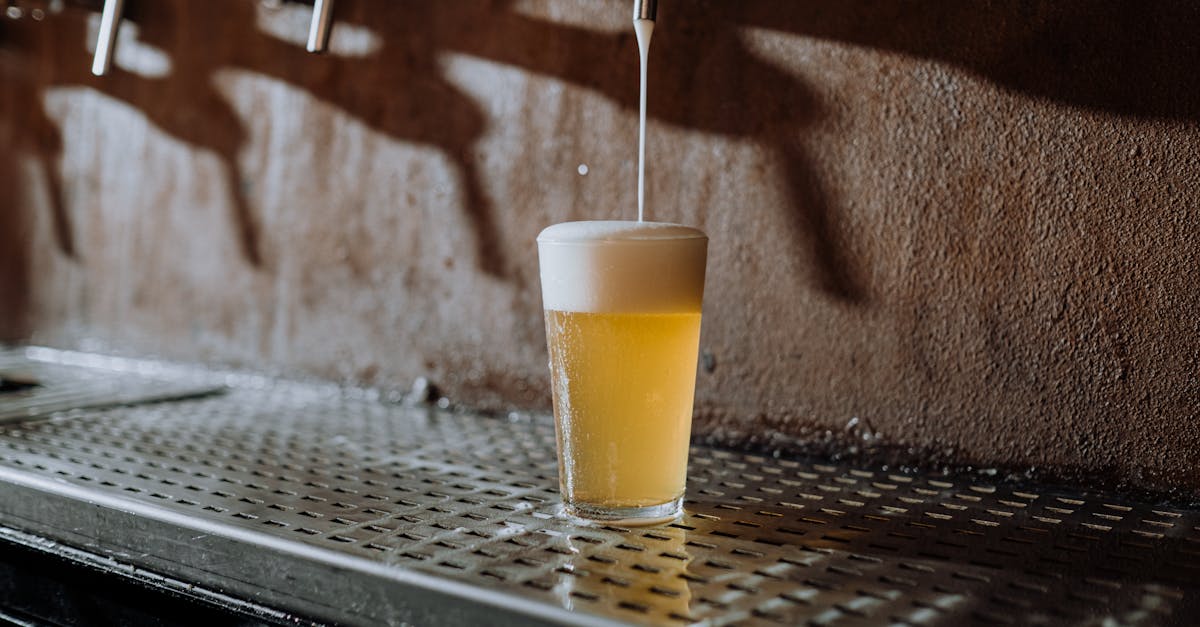
You juggle dozens of SKUs, tight tank space, and a taproom that sways with the weather and whatever’s happening downtown. Guesswork? It costs you—stale kegs, empty taps, unplanned overtime. Money left on the table. But with AI demand forecasting and smarter production scheduling you can cut waste, tighten brew schedules, and grow taproom revenue—without hiring a whole data team.
Here’s the simple idea: use your POS history, seasonality, and local signals to predict what will pour next week, then line up batch sizes, tank turns, and packaging to match. Fresher beer. Fewer stockouts. Less money wasted on malt and hops that just sit. It’s not magic—just your data, used smarter (and yes, it’s fast to pilot).
Let’s walk through how forecasting actually helps a small craft brewery.
AI forecasting looks past rough averages and learns what really drives your pours. It trains on your POS history and then layers in live signals: weather swings, local events, social chatter, even incoming distributor orders. It starts to recognize your rhythm—patio season vs. stout season, playoff weekends vs. slow Tuesdays.
Why does that matter? Because the model spots patterns you already see but can’t plan around reliably. Sunny Saturdays lift pilsners and kölsch. Rainy weeks nudge darker styles and to-go orders. A limited hazy that blows up on Instagram becomes a demand signal, so you don’t under-brew the hype batch or over-size a run that won’t turn.
It also forecasts by channel. Taproom behaves differently than wholesale, so you get SKU-level projections for each. That means right-sized kegs for the bar and the correct canning plan for distributors—no more robbing taproom volume to fill a pallet.
The payoff: fresher beer, fewer stockouts, and less ingredient waste. You brew what will move, not what you hope will. And you don’t need a data team to get started—accessible tools already integrate POS, weather, and event signals to reduce spoilage across beverage supply chains.
With a clear forecast—by style, channel, and week—you can line up tank turns, yeast pitches, and packaging with confidence. That’s the bridge to a smarter brew schedule and tighter operations.
Forecasts only help when they turn into a day-by-day, tank-by-tank plan. AI production scheduling converts SKU-level demand into a practical sequence that respects fermenter capacity, lagering times, brite tank availability, packaging windows, and your crew’s shifts. It builds the calendar so you hit release dates, avoid tank dead time, and don’t pile up overtime at the end of the week.
Here’s how it plays out. Cluster similar styles to cut changeovers—run pale/IPA families back-to-back to reuse yeast generations and streamline dry-hop setups. Schedule CIP between clusters, not after every batch, so you use less water and caustic while keeping quality tight. Slot quick-turn ales into short gaps so tanks never sit idle; start long-lagers early to claim cold space. Align brite tank time with packaging so cans roll the morning after crash-cooling—no warm holds, no flavor risk.
The result is fewer changeovers, tighter yeast management, and smoother packaging days. For a deeper dive, see how AI can optimize brewing schedules, ingredient usage, inventory, and quality—without compromising flavor.
Operational wins follow: lower labor and energy use, less material waste, and on-time taproom releases. When every batch is scheduled against demand, ingredient pulls and packaging runs become predictable—easy to sync with purchasing and deliveries.
Tie purchasing directly to the forecasted brew plan so ingredients arrive just in time and in the right amounts. Start simple: every scheduled batch generates an ingredient pick list, then auto-build POs based on on-hand inventory, vendor lead times, and a small buffer. No more guessing, no more pallets of malt you’ll sit on for weeks.
Use FEFO for perishables. Lot-track hops, yeast, fruit puree, and adjuncts, then route the earliest-expiring lots into the next compatible brews. Set alerts a couple weeks before expiry so you can flex recipe timing (or swap formats you’ve pre-approved) without scrambling. Quality stays tight and you don’t write off aging inventory.
Align packaging to what you’ll actually sell. If the forecast says 60% draft, 40% cans, get kegs, ends, labels, and 4-pack carriers to those volumes—not the other way around. For short seasonal runs, choose labels or sleeves over printed cans to avoid dead stock after the release.
The impact is immediate: fewer leftovers after seasonal drops, lower cold-storage load for hops, and less cash tied up in slow movers. Forecast-linked procurement often cuts ingredient waste and holding costs while making deliveries and brew days feel calm and predictable. More freshness out, less money stuck on the shelf.
Use localized forecasts to plan your taplist, promos, and staffing week-by-week. If the model flags a sunny patio weekend, lead with crisp lagers, kölsch, and wheat, and pre-assign brite time and keg counts. Expect rain? Feature stouts and porter flights, push to-go cans, and set a slower-sipping lineup. Small shifts, big payoff.
Promotions should follow the data, not gut feel. Forecast a soft Tuesday? Run trivia plus a 3-pour flight at a price point your POS shows converts. See social chatter spiking for berry or citrus notes? Let that guide your next small-batch drop and teaser posts. In fact, AI-powered predictive analytics and social analysis help beverage producers optimize offerings and grow sales. Launch what guests already want—so it moves fast.
Allocate kegs by predicted foot traffic. Big street festival nearby? Hold back more draft for the taproom and trim wholesale that week. Quiet suburban weekend? Ship the pallets and keep a lean bar. Staff to the forecast: add bartenders and a runner when pours-per-hour will spike; stagger breaks to avoid lines at halftime. The goal is fewer 86’s, shorter waits, happier guests.
Because these moves are data-led, you spend less on promos that don’t convert, keep taps fresh, and turn lines into sales—i.e., more pours, less waste. When your POS, inventory, and ops data talk, this all gets much easier to run day after day.
Before you roll out AI forecasting or scheduling, get your data house in order. The win is simple: a clean, connected single source of truth pulling from POS, ecommerce, distributor orders, inventory counts, and production logs. Industry experts recommend you build a strong data platform and governance before applying AI. Do that and every decision downline gets faster—and cheaper.
Start with a lightweight central hub (a cloud warehouse or a well-structured database) and clear ownership. Who maintains SKU definitions? Who reconciles distributor invoices? How often do cycle counts land? Set the cadence so data isn’t late or messy. Then connect sources: taproom POS and online orders, distributor POs/shipments, raw-material and packaging inventory, brew sheets, tank statuses, and packaging runs.
Clean the basics. Standardize SKU names and variants, unify units (bbls, lbs, oz), tag channels, and align timestamps to the same timezone. Map POS buttons to real SKUs so “Hazy IPA 16oz” isn’t counted three ways. Close the loop with lot tracking for hops, yeast, and adjuncts so FEFO actually works. Don’t chase perfection—aim for consistent, trusted data that’s good enough to steer the plan.
With this foundation you can layer forecast models and scheduling on top—and unlock future plays in supply chain, quality, and marketing. It’s the boring work that makes the exciting results possible (and it pays back fast when waste drops and taps stay fresh).
Keep it tight and winnable. Start with your top 6–8 SKUs and the taproom channel only. The goal: prove AI forecasting and smarter scheduling cut waste and lift sales—without disrupting the week.
Weeks 1–3: Connect POS, inventory, and a basic weather/event feed. Map SKUs and channels, and baseline last year’s taproom sales. Define KPIs: forecast error (%), sell-through, ingredient waste (lbs or kegs dumped), stockouts/86’s, and schedule adherence (% plan vs actual). Want more? Add overtime hours and days of supply for cold storage. Don’t overcomplicate—clean inputs beat fancy models.
Weeks 4–8: Run weekly forecasts (every Monday) and convert them into a two- to three-week draft brew schedule. Brewer-in-the-loop reviews yeast generation, tank turns, and quality constraints, then signs off. Sync purchasing to the approved plan so ingredients arrive just in time. Capture exceptions—why a batch was resized or moved—to teach the model and tighten the schedule next cycle.
Weeks 9–12: Measure results against baseline. Did forecast error drop? Fewer 86’s and less dumpage? Did sell-through and freshness improve? Tune batch sizes, style clusters, and packaging splits. Then decide: expand to more SKUs and wholesale, or run one more cycle to lock gains. 1808lab can facilitate each phase—data setup, modeling, scheduling, and the weekly cadence—so your team focuses on brewing, not tooling.
Small scope. Fast feedback. Clear wins. That’s how AI pays back in 90 days.
AI should advise—you decide. Keep a human-in-the-loop for any change touching flavor, ABV/IBU, yeast generation, or tank allocation. Rule of thumb: the system proposes; the brewer approves. Quality stays in the driver’s seat.
Anchor tools to existing SOPs. Set non-negotiables like “no schedule moves within 24 hours of dry hop,” minimum conditioning days by style, and max batch size variance (e.g., ±10%). Add quality gates: gravity/pH checkpoints, sensory sign-off before packaging, and a simple change log that records who approved what and why. If a forecast spikes, the plan can recommend—brewer must OK extra turns or a yeast re-pitch.
Enhance monitoring gradually. Start with digital brew logs and tank status, then add affordable process sensors—temp probes, DO spots at packaging, and flow meters on CIP—to catch drift early. Breweries are already using sensors and machine learning for process monitoring and quality, with pragmatic guidance on adoption timelines. You don’t need everything day one; add what pays back and integrates cleanly.
Make change management boring—in a good way. Provide a lightweight dashboard that highlights “what changed this week,” green/yellow/red exceptions, and upcoming holds. Train staff on new routines, keep prompts short, and set clear escalation paths: who to call for tank conflicts, out-of-spec readings, or supplier delays. Close the loop with a 10-minute daily huddle and post-shift notes. That’s how you keep quality tight while the system helps you move faster—not the other way around.
AI demand forecasting and smarter production scheduling help you brew the right beer, at the right time, in the right volumes. That means less ingredient waste, tighter tank turns, and more taproom sales from fresher pints that match what guests actually order. When you know what will pour, your brew plan stops guessing and your cash stops sitting in slow-moving inventory.
You don’t need to overhaul everything to see value. Start small, learn fast: connect POS and inventory, forecast taproom demand, then align batch sizes and packaging to the signal. Measure sell-through, stockouts, and dumpage; tune and repeat. In weeks (not months) you’ll feel the difference on the floor—fewer 86’s, calmer packaging days, and a schedule that just… flows. Then scale to more SKUs and channels with confidence.
If you want a partner to make this simple and repeatable, we’re here. 1808lab sets up the data foundation, right-sized forecasting models, and brewer-approved workflows that protect quality while improving margins. From integrations to practical dashboards and training, we help your team move faster without adding complexity. Ready to cut waste and boost taproom revenue? Reach out to us at 1808lab—we’re an AI consulting company that can help you implement AI and turn forecasting into steady, compounding gains. Let’s make your next release day your best one yet.