 Your AI partner for the new era
Your AI partner for the new era
Your AI partner for the new era
Last Modified: December 8th, 2025
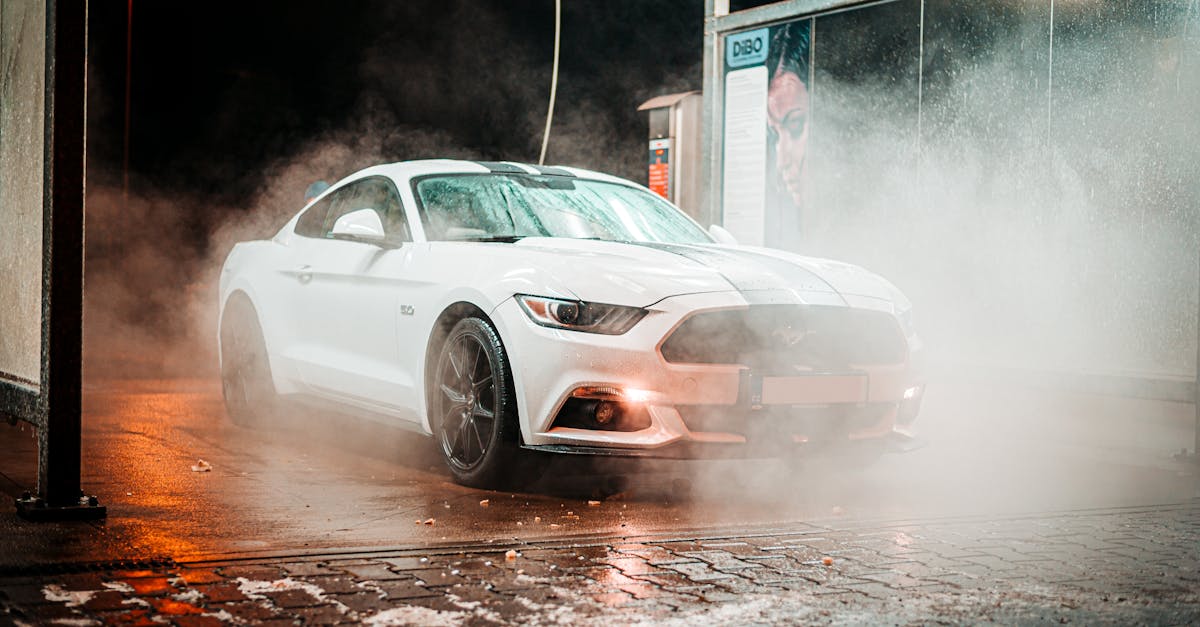
Independent car washes are feeling the squeeze — more cars to move, tighter margins, and customers who won’t hang around. That’s where car wash AI software helps. It boosts cars per hour, trims water and chemical spend, and nudges up average ticket—often without adding staff.
How does it do that? By automating entry, smoothing vehicle flow, optimizing chemistry dosing, and surfacing the right upsell at the right moment. You can pilot at a single site with your existing controller, POS, and cameras—no big rip‑and‑replace. Track what matters: CPH, water/chemical per car, rewash rate, labor minutes per vehicle, and average ticket. You’ll see impact fast, then scale it.
Let’s walk through smarter entry and in‑tunnel vision that keep the line moving and stay safe while doing it.
You move more cars when entry is instant and the tunnel can actually “see” every vehicle. License plate recognition (LPR) matches members and pre‑validates payment before anyone touches a screen. Smart kiosks strip choices down to the fastest path, then open the gate just in time. Those seconds add up — and stop‑start delays that kill throughput disappear.
Inside the tunnel, computer vision watches bumper‑to‑bumper spacing, flags hitch and bike racks, and checks wheel position. It tweaks conveyor speed, roller timing, and pause points so gaps are safe but not wasteful. The payoff? Fewer e‑stops, fewer nudges, and a steady belt that keeps chemistry and equipment doing what they should.
When queues build at peak, AI predicts demand and paces pulse gates, pay‑lane metering, and belt speed to prevent choke points. Collision‑avoidance logic issues soft slowdowns before a hard stop is needed. These tools run alongside your existing controller and POS — they don’t replace them. Think of it as a co‑pilot that reads the lane, not a rip‑and‑replace.
If you want proof this is the industry direction, watch the ICA discussion on LPR, collision avoidance, and a start‑small, scale‑smart approach. Start with lane entry or a single camera zone, measure cars‑per‑hour and stop counts, then expand as gains stack up.
Water and chemicals are huge line items. With AI‑driven dosing you give each vehicle exactly what it needs—no more, no less. Vision and size sensing estimate vehicle profile and soil level, then modulate pumps, valves, and nozzle banks in real time. Small car, light soil: lower flow and shorter dwell. Muddy truck: more presoak and pressure where it matters.
Closed‑loop control ties dosing to tunnel conditions—belt speed, bay temperature, and water quality (conductivity/TDS). That prevents over‑foaming, thin coverage, and wasted protectants. The result is consistent shine with fewer ounces per car, and chemistry stays in its sweet spot instead of bleeding onto your P&L.
On reclaim, analytics watch flow, turbidity, ORP, and tank levels to spot leaks, clogged filters, or inefficient backwash cycles. The controller switches between reclaim and freshwater based on clarity thresholds, so you don’t dilute unless you need to. Small alerts — like a drift in pump amperage or falling reclaim percentage — flag issues before they get costly.
How to start? Instrument a single arch (presoak or drying agent) or one reclaim stage, baseline water/chemical per car, then set alerts and simple rules. Once you see stable savings and clean cars, roll out the rest of the chemistry suite. For a practical, stepwise approach, see this implementation roadmap for water conservation and predictive maintenance.
Bonus: the very sensors that optimize dosing also give early warnings on pumps and filters — fewer surprises, smoother days.
Downtime kills revenue. Predict it, prevent it, keep the tunnel rolling. With car wash AI software, sensors that track vibration, temperature, amperage draw, and fluid flow learn what “normal” looks like. When a conveyor drive starts vibrating more, a pump pulls extra amps, or reclaim flow dips, models flag it—often days before failure.
Why that matters: instead of a mid‑Saturday e‑stop, you schedule a 10‑minute bearing swap at 6 a.m. The system auto‑creates a ticket, suggests the part, and routes it to the right tech. Fewer emergency callouts. Cleaner handoffs. Less finger‑pointing. Proactive, not reactive.
AI‑powered cameras add context. They sync events (roller loads, guide contact, lift gates) with video to build an objective record. That reduces damage claims, improves safety coaching, and gives you indisputable context when things go sideways. For a broader view, read ICA’s take on predictive maintenance, AI cameras, and chatbots.
When issues do crop up, maintenance chatbots trained on your manuals and service logs guide staff through first‑line fixes: step‑by‑step checks, torque specs, and part numbers—no guessing. They can pull live sensor traces, attach the relevant camera clip, and escalate remotely if needed. The result: faster triage, lower mean‑time‑to‑repair, and fewer after‑hours vendor calls.
Keep uptime predictable and you free bandwidth to focus on revenue moves—not firefighting.
Want a higher average ticket without slowing the line? Put AI at the kiosk. It reads context—customer history, weather, queue length—and serves the fastest, highest‑value offer. Sunny day? Promote ceramic + drying aid. After snow or rain? Push underbody + wheel blast. If the queue is long, it trims choices to a single, one‑tap upsell so you increase take‑rate without adding seconds.
Dynamic pricing does the rest. It nudges prices up during peak, offers smart off‑peak bundles, and times membership prompts when a guest’s visit pattern says they’re ready. This mirrors the industry shift toward AI‑powered systems, dynamic pricing, and memberships. The system A/B tests copy, icons, and price points in real time, then standardizes winners across sites—no manual tinkering.
Beyond the kiosk, analyze attach rates by segment (family SUVs vs rideshare), weather bands, and time of day to refine bundles. Keep offers snappy—3–5 seconds—and cap add‑ons to avoid choice overload. Even a modest $0.50 lift across 20,000 annual washes adds $10,000 in incremental margin. It stacks fast as traffic grows.
The best part? Consistency. Every guest sees the right offer, every time—while staff focus on greeting and speed. You’ll raise per‑vehicle revenue and make memberships an obvious next step.
Hiring is hard, training often drags. With car wash AI software, onboarding becomes consistent so new hires are productive fast. Short, role‑based video modules, quick quizzes, and step‑by‑step checklists certify core tasks (pre‑shift checks, safe loading, damage claims) in days, not weeks. The system serves just‑in‑time clips—like a 30‑second refresher before a busy Saturday—so people don’t forget under pressure.
On the customer side, AI assistants handle routine questions 24/7 across web, phone, and SMS: hours, pricing, weather closures, membership changes, gift cards, even scheduling for detailing or fleet washes. They create tickets with photos, pull visit history, and hand off to a human with full context when needed. Less interruption at the pay lane, less time on repetitive calls.
Then there’s call analytics. Real‑time coaching nudges agents to verify plate numbers, set expectations, or offer a rain‑check—while post‑call scorecards flag missed steps, tone issues, and training gaps. For real‑world examples, see these multi‑site operator stories on AI for training, chatbots, and call analytics.
The outcome is simple: shorter onboarding, fewer manual tasks, and consistent service across shifts—so you lower labor minutes per vehicle while lifting CSAT. Start with five core SOP videos, a FAQ bot, and call coaching on one line; expand once gains stick.
Pick one priority—throughput, water/chemicals, or revenue—and run a focused 30–60 day pilot at a single site. Define the one KPI that matters most (CPH, chemical $/car, whatever) and guardrails for quality and safety. Keep scope tight so you can prove value fast.
Week 0–1: wire up your data. Confirm feeds from controller/PLC (belt speed, stops), POS (tenders, plans), LPR (matches/denies), and kiosks (selections, declines). Time‑sync everything, map IDs, and baseline performance. Run in “shadow mode” for a few days to validate signals before automation touches settings.
Week 2–4: operationalize. Train staff with short, role‑based checklists. Assign an “alert owner” per shift, set thresholds, and add a 10‑minute start‑of‑day huddle to review exceptions and yesterday’s wins. Log every intervention (what changed, who did it, outcome) so your playbook writes itself.
Week 5–8: decide go/no‑go. If targets are hit, bake it into routine: integrate alerts with ticketing, standardize dashboards, and publish a one‑page playbook for loading, dosing, and kiosk tweaks. Choose vendors that support open integrations (APIs/webhooks), easy data export, clear data ownership, and honest SLAs. No black boxes, no lock‑in. Also set retention rules for LPR and video—privacy matters.
Scale in waves of 2–3 sites. Use template configs, a readiness checklist, and a simple rollback plan. A/B test settings by site format, then roll best practices system‑wide. Keep it light, measurable, repeatable — and don’t stop tuning as the numbers come in.
If you don’t measure, you guess. Start with a clean baseline over 1–2 weeks with consistent hours and weather notes. Then compare pilot results to that baseline and keep definitions the same across sites so trends are real, not noise.
Track flow first: Cars Per Hour (CPH) (total cars ÷ operating hours) and Tunnel Stops per Day from your PLC. Quality next: Rewash Rate (rewashes ÷ total washes). Costs: Freshwater Gallons per Car (metered gallons ÷ cars) and Chemical Cost per Car (chemical spend ÷ cars). Revenue: Average Ticket (wash revenue ÷ cars) and Membership Conversion (new members ÷ eligible transactions). Labor: Labor Hours per 100 Cars (total labor hours ÷ cars × 100). Simple, consistent, comparable.
To isolate uplift from upsells or pricing, A/B at the kiosk. Randomize which guests see Variant A vs. B within the same daypart. Compare acceptance rate, average ticket, and time‑to‑choice. Keep the winner, retire the loser. You’ll learn fast without slowing the line.
Review exceptions weekly. Look for sudden dose spikes, reclaim drops, rising rewash after rain, lower kiosk accept rates, or more stops per day. Then act: nudge dosing setpoints, tweak belt rules, refresh a 2‑minute loader reminder, or pull a maintenance ticket if pump amps drift. Annotate changes on the dashboard so cause and effect aren’t lost.
Do this rhythmically—baseline, test, review, adjust—and your car wash AI software will compound gains while protecting quality and safety. Small fixes, big ROI.
You want a wash that moves faster, wastes less, and earns more per vehicle. With the right car wash AI software, that’s not a moonshot—it’s a measured, low‑risk rollout. No massive overhaul required. Pick a single use case, wire up the data you already have, and let results guide the next step.
The payoff is practical: higher throughput at peak, leaner water and chemical spend, and steady lifts in average ticket—without slowing lanes or adding headcount. When decisions are data‑driven, every setting, offer, and alert works in your favor. Less firefighting. More predictable days. Better margins.
What separates leaders isn’t fancy tech — it’s disciplined execution. Clean integrations, clear KPIs, and small, repeatable pilots that scale. Independent operators can run with enterprise‑level precision while staying nimble and local. Keep it simple, keep it safe, keep improving. You’ll feel the gains week by week.
Ready to choose a starting use case and design a pilot you can trust? We’re an AI consulting partner for SMBs and we help independent car washes plan, implement, and scale AI with confidence. Talk to 1808lab to map your goals, stand up a focused 30–60 day pilot, and turn your site into a high‑throughput, low‑waste, high‑margin operation. Don’t wait for “someday.” Start where the ROI is clearest—then build from there.