 Your AI partner for the new era
Your AI partner for the new era
Your AI partner for the new era
Last Modified: November 30th, 2025
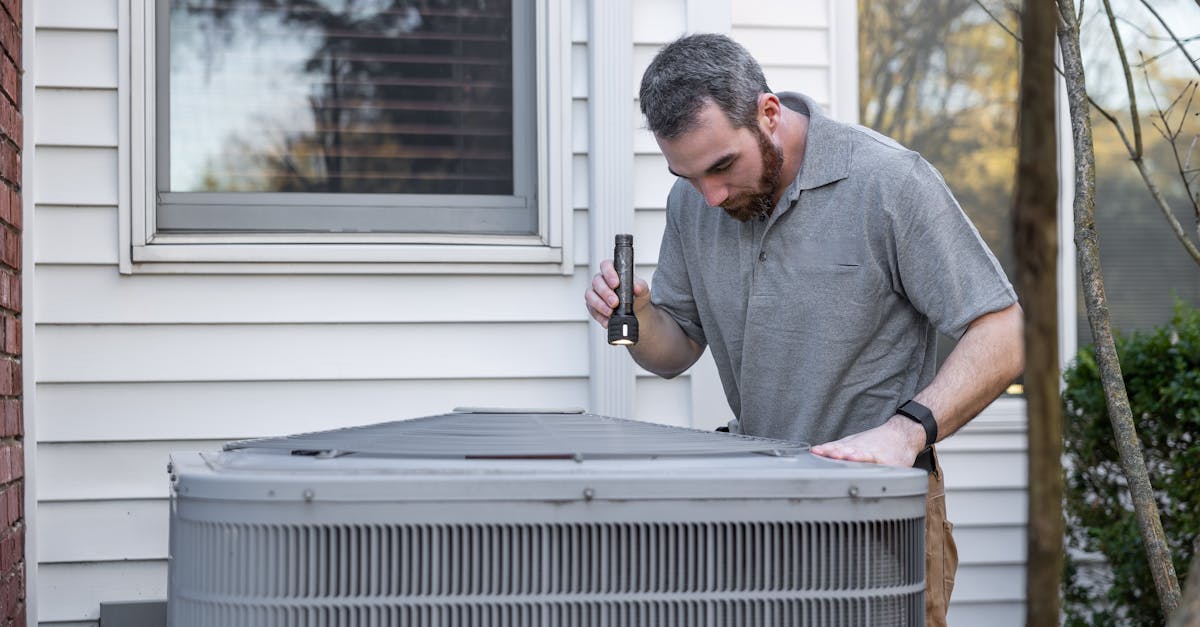
Reactive, break‑fix work eats your margins. Emergency callouts, overtime, frantic parts runs, and those idle gaps between jobs—honestly, it adds up fast. You feel it in missed SLAs, cranky customers, and techs driving across town with the wrong parts.
Predictive maintenance AI flips that script. It predicts equipment failures before they happen, stages the right parts, and schedules the right technician at the right time. Fewer emergencies. Fewer truck rolls. Higher first‑time‑fix rates. A calendar that actually works for you — not against you.
The payoff is practical: lower repair costs, smarter scheduling, leaner parts inventory, and better tech utilization. More planned work, fewer fire drills. Simple concept, big impact. Now let’s walk through how it actually works.
Your HVAC assets are already talking—through temperature, pressure, vibration, superheat/subcooling, amperage, and power draw. Predictive maintenance listens. It streams sensor data from IoT devices and the BMS, learns each unit’s normal behavior, and flags drift before it turns into downtime.
Here’s the basic flow: AI models baseline performance per asset and per site. When patterns shift—maybe rising amp draw, hotter discharge temps, and a subtle vibration uptick—the model marks an anomaly and estimates remaining useful life (RUL). That’s PHM in action: not just “something’s off,” but “you’ve got about two weeks before failure risk spikes.” In fact, peer‑reviewed 2024 research showing AI-driven HVAC predictive maintenance increases uptime, cuts costs, and improves energy efficiency backs this move from reactive to data‑driven service.
Alerts come with confidence scores and recommended actions. From there, workflows kick in: auto‑generate a work order in your FSM/CMMS, assign the right tech based on skills, route, and SLAs, and reserve parts from inventory (auto‑reorder if stock is low). No more guesswork, fewer parts runs.
Service becomes condition‑based: you act when risk rises, not just because the calendar says so. Start with high‑value assets (compressors, AHUs, VFDs, RTUs). The models learn from every job, so accuracy improves over time. With light edge filtering to kill noisy data, you won’t drown in alerts—you’ll act on the ones that matter.
Catch degradation early and repairs shift into normal hours. That cuts overtime, weekend premiums, and the chaos that derails your day. You trade unpredictable break‑fix calls for planned work your team—and your customers—can actually count on.
Fewer emergency truck rolls means lower fuel and travel time, and a higher first‑time‑fix rate because parts are staged before the visit. Instead of running a tech across town only to discover a missing compressor relay, you arrive once, fix once, and move on. It’s small wins that compound fast.
There’s another win: efficiency. Keeping charge, airflow, and drive components in their optimal bands avoids energy spikes and slows equipment wear. Independent analysis shows AI‑based predictive maintenance monitors components in real time to prevent surprise breakdowns, cut maintenance costs, improve energy efficiency and air quality, and extend equipment life. That boosts SLA performance, steadies comfort, and reduces nuisance calls that eat margin.
Financially, you get steadier revenue and healthier margins. Less firefighting, more predictable PMs, fewer credits or escalations, and customers who are likelier to renew. Your team feels it too—lower stress, safer work, and better utilization without burnout. Because work is planned, not panicked, you don’t need as many last‑minute parts runs or heroic firefights to keep schedules afloat.
All told, predictive maintenance turns HVAC service into a controlled, efficient operation—reducing emergency repair costs while strengthening customer trust. It also opens the door to smarter scheduling and higher technician utilization so trucks stay busy and profitable.
Predictive alerts don’t just warn you—they help schedule the fix. When risk crosses a threshold, a work order is auto‑created in your FSM/CMMS with the best service window, based on SLAs, site access hours, and travel patterns. Schedulers can bundle nearby jobs, match skill sets, and cut windshield time—so your day actually runs on rails.
Bundle and sequence smarter. AI clusters jobs by location and priority, then sequences routes to reduce backtracking and dead time. If a customer cancels, the board re‑optimizes in minutes and backfills the gap with the next‑best job. Less chaos, more billable hours.
Send the right tech, first time. Skills‑based dispatch pairs the predicted fault with the technician who has the right certifications and availability. Pre‑job context—sensor trends, likely cause, site notes, and past fixes—lands in the mobile app before wheels roll. That’s how AI speeds diagnostics and elevates scheduling and logistics for HVAC field teams, lifting first‑time‑fix rates while shrinking callbacks.
Balance utilization without burnout. Set utilization targets (for example, 75–80% for senior techs), cap daily drive time, and protect lunch and rest buffers. The system fills the calendar with planned work instead of fire drills, so techs stay productive and safe—not stretched thin.
The kicker? When you know what’s likely to fail and when, you’ll stage the right parts and truck stock ahead of the visit—so visits are shorter, cleaner, and more profitable.
When failures are visible ahead of time, inventory stops guessing. Forecasts map predicted fault modes to specific SKUs and kits for each visit. In fact, inventory forecasting that equips technicians and aligns work orders with asset health can turn parts from a bottleneck into a margin lever.
Just‑in‑time parts, not just more parts. As risk thresholds are crossed, the system checks warehouse and truck stock, auto‑reserves what’s on hand, and creates POs only when needed—factoring supplier lead times, seasonality, and SLA commitments. Safety stock adjusts dynamically by site and asset criticality, so you don’t tie up cash in shelves of “just‑in‑case” parts while still avoiding stock‑outs.
Dynamic truck stock. Techs receive route‑aware replenishment lists and prebuilt failure kits (contactors, capacitors, relays, belts—whatever matches the predicted issue). Bin‑level pick tickets cut loading time, and slow movers are flagged for redistribution where they’ll actually turn. The result: fewer return visits, fewer reschedules, and less windshield time chasing a $12 part that kills a $600 job.
Operationally, this keeps warehouses lean and lifts first‑time‑fix rates. Jobs start on time, finish once, and cash flows faster. It’s a simple loop—predict, reserve, kit, replenish—that removes friction from your day and from the balance sheet, powered by clean data and tight integrations with your FSM/CMMS and inventory tools.
You don’t need a rip‑and‑replace to get value. Start by instrumenting high‑value assets (RTUs, compressors, AHUs, VFDs) with low‑cost sensors for temperature, pressure, vibration, amperage, and airflow. Where controls already exist, tap your BMS via BACnet/Modbus instead of adding hardware. A small gateway aggregates data and sends it to your analytics platform over Wi‑Fi, LTE, or Ethernet.
Keep it clean at the edge. Light filtering and compression remove noise and outliers before data hits your time‑series store. Then layer an analytics stack: health scores, fault detection, and remaining‑useful‑life predictions surfaced in a simple fleet dashboard. As noted in independent guidance on how AI models deliver real‑time analytics, fault detection, and predictive maintenance while integrating with existing BMS, you can modernize without tearing out what works.
Now wire alerts to action. Integrate with your FSM/CMMS so rising‑risk events auto‑create work orders, slot the best window, and attach pre‑job context. Connect inventory to reserve likely SKUs and trigger POs based on lead times and SLAs. Role‑based access, audit trails, and API connectors keep IT happy; device management keeps gateways patched and online.
Go phased, not big‑bang. Retrofit a subset of sites and assets, prioritize the highest contract value, and add sensors where signal gaps exist. You’ll reduce emergency repairs fast and prove ROI. With that plumbing in place, scheduling, parts, and technician utilization start clicking—and scaling becomes straightforward.
Start small. Prove value fast. Then scale with confidence. Here’s a simple path that gets you wins in weeks, not months.
1) Define a focused pilot. Pick 2–3 sites and a handful of common assets (RTUs, compressors). Set clear KPIs: fewer emergency calls, higher first‑time‑fix, lower overtime, better technician utilization, shorter travel, and faster inventory turns. Put numbers on each so success isn’t fuzzy.
2) Connect data and keep it clean. Tap the BMS where possible; add low‑cost sensors only where signal is missing. Stream health scores and predicted faults into a simple dashboard your team will actually check. Create 5–7 plain‑language alert types technicians trust (e.g., low charge trend, belt slip, drive over‑amp). Limit noise; document what each alert means and when to act.
3) Wire alerts to action. Integrate with your FSM/CMMS so alerts auto‑create work orders with the best windows and the right skill tags. Connect inventory to reserve likely parts, trigger POs by lead time, and build quick failure kits for truck stock. Don’t overcomplicate—one clean workflow beats five partial ones.
4) Train for the new rhythm. Give dispatch and techs short, role‑based playbooks: what the alert says, steps to diagnose, parts to bring, when to escalate. Run a 2‑week shadow period and capture field feedback to tune thresholds.
5) Review, prove, scale. Hold a weekly 30‑minute review: alert accuracy, first‑time‑fix, SLA hit rate, truck rolls, and overtime. Kill noisy alerts, keep the performers. When ROI is clear, expand to more sites, assets, and contract tiers—copy the playbooks, not the mistakes.
Predictive maintenance AI turns HVAC service from firefighting into a steady, profitable rhythm. You move work from emergencies to planned visits, cut repair and parts costs, and keep technicians utilized without burning them out. The payoff shows up fast: fewer rush truck rolls, higher first‑time‑fix rates, tighter SLAs, and calmer days for dispatch and field teams. Bottom line: more predictable revenue, fewer fire drills.
You don’t need a moonshot. A focused pilot, clean data inputs, and tight integrations to scheduling and inventory are enough to unlock quick wins. Let the alerts drive the calendar, align skills to predicted faults, and tee up the right kits so visits are shorter and more profitable. Prove it at a few sites, tune thresholds, then scale with confidence. Small steps, real results. Don’t overcomplicate it.
If you want a partner to make it simple, we can help. 1808lab will assess your data readiness, design a right‑sized pilot, and integrate an end‑to‑end predictive workflow tailored to your service business—FSM/CMMS, parts, the whole loop. Ready to see measurable savings in weeks, not months? Reach out to 1808lab—we’re an AI consulting company that can help you implement AI in your business and turn predictive insights into profitable operations.