 Your AI partner for the new era
Your AI partner for the new era
Your AI partner for the new era
Last Modified: December 6th, 2025
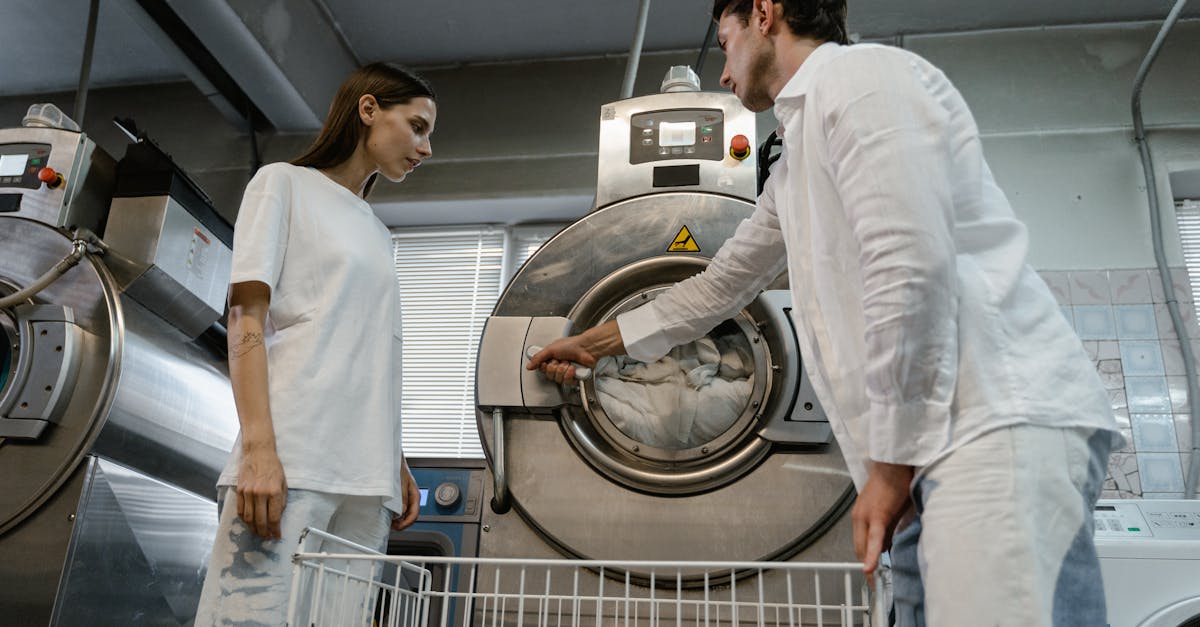
Out‑of‑order signs aren’t just an eyesore—they’re a direct hit to your bottom line. In a small laundromat every idle washer or dryer means fewer turns per day, more frustrated regulars, and refund headaches. Cash flow feels it. Fast.
Downtime doesn’t stay small. One broken stack nudges customers to competitors, creates bottlenecks, and messes with staffing. Reactive fixes cost more too—rush parts, emergency call‑outs, repeat visits. It all adds up, and quickly.
Here’s the upside: predictive maintenance and real‑time machine monitoring change the equation. You catch trouble early, schedule fixes in slow windows, and stretch machine life. More machines earning, more of the time.
This article walks you through what to track, how the tech actually works, and a practical rollout plan built for an SMB budget—not an enterprise rewrite.
The idea is simple: use live machine data to spot problems before a washer or dryer quits. Instead of swapping parts on a calendar, you watch signals—vibration, temperature, motor current, cycle counts, drain time, and error codes—to catch wear early. It’s not guesswork; it’s signal‑driven.
Here’s the workflow in plain terms. Sensors and machine logs feed a small model that learns what’s normal for each unit. When vibration slowly climbs, drums go out of balance more often, or a dryer runs hotter than usual, the system flags it. You plan a twenty‑minute repair during slow hours instead of losing a whole Saturday to a surprise breakdown. Fewer emergency call‑outs, lower parts costs, happier regulars who don’t see “Out of Order.”
This isn’t hypothetical—operators are already using AI to detect unusually high vibration (often an overheating belt) and schedule repairs off‑peak. The outcome: more uptime and longer machine life without blowing up your maintenance budget.
And because predictive maintenance targets real issues, you stop over‑servicing machines that are fine. You focus effort where risk is rising, balance usage across units, and keep more machines earning, more of the time. Want practical steps? Start by tracking the signals that actually reveal early faults—let’s look at those next.
You don’t need perfect data to get value—just consistent signals. Here are the signals that matter most for laundromat predictive maintenance and machine monitoring.
Vibration & drum balance. Rising vibration trends or frequent out‑of‑balance spins point to early bearing wear, tired shocks, or leveling issues. Catch it early and you’re swapping a small part, not a whole drum assembly.
Motor current (amperage). Higher current for the same load often means belt slippage, bearing drag, or a pump starting to seize. Spikes during spin can flag loose pulleys or electrical faults before they cascade.
Temperature & airflow (dryers). Hotter drums plus longer dry times scream airflow restriction—clogged lint paths or a weak blower. Monitor exhaust temperature deltas. If heat rises while time creeps up, you’re wasting energy and flirting with overheating.
Water flow & drain time. Slow fills or drains suggest clogged inlet screens, failing valves, lint in the pump, or a partial hose blockage. Think about this: a 90‑second longer drain, multiplied across hundreds of cycles, quietly steals capacity.
Cycle duration & error codes. A gradual increase in average cycle length signals slipping belts, heating element or ignitor issues, or sensor drift. Track error code frequency, not just the code—repeat faults are your early warning siren.
Usage & utilities. Turns per day, starts/stops, kWh per cycle, and water per cycle reveal overused machines versus underused ones. Balance load (pricing, signage, subtle layout cues) to spread wear and avoid premature failures.
Baseline each machine, then watch trends. Simple alerting—say 10–20% above normal over a few days—lets you plan quick, low‑cost fixes in off‑peak hours. Fewer surprises. More uptime. Better cash flow.
You’ve got two clear paths: use built‑in telemetry from smart machines or add retrofit sensors to your existing fleet. For older units, small vibration and temperature sensors plus split‑core current clamps feed an IoT gateway (Wi‑Fi or LTE). The gateway streams data securely to a monitoring platform—cloud or on‑prem—without touching your payment systems.
Inside the platform you get dashboards that actually help: machine health scores, cycle counts, trend lines, and live status. Set alert rules like “vibration +15% over baseline for 3 days” or “dryer exhaust temp rising while cycle time increases.” When thresholds are breached, the system can send a quick text or email and auto‑create a work order so you don’t forget. Fixes get scheduled in off‑peak—no more Saturday panic.
Remote features go beyond alerts. You can balance usage, spot energy hogs, and tune cycles to cut kWh and water per load. Industry examples show that IoT‑powered laundry systems enable real‑time monitoring, predictive maintenance, and energy optimization—the trio that reduces downtime and operating costs while keeping customers happy.
What about the nuts and bolts? A small gateway plus a handful of sensors per machine is affordable, and you don’t need to outfit every unit on day one. Start with the busiest bank, validate alerts, then standardize. Result: fewer surprises, fewer rush call‑outs, and machines that keep earning—without blowing your budget.
Pilot scope. Start small: 6–8 machines across types (top/front washers, a couple of dryers) and different usage levels. Baseline the essentials for two weeks: downtime hours, emergency call‑outs, repair spend, turns per day, and energy/water per cycle. Tag every pilot unit with a clear ID so data, alerts, and work orders line up cleanly.
Data + alerts. Configure telemetry or retrofit sensors, then set practical thresholds from each machine’s baseline. Use two levels: a warning (trend drifting) and an action (clear deviation over several cycles). Keep sampling simple at first; tighten later. Name signals consistently (e.g., W12_vibration, D3_exhaustTemp) so nothing gets messy.
Workflow that sticks. Make a lightweight triage: new alert → check load/false positives → convert to work order → schedule during off‑peak → mark resolved. Stock a small kit of critical spares: belts, drain pumps, inlet valves, door locks, shocks, blower wheels, ignitors/thermistors, fuses. Set min/max levels so you don’t wait on parts.
Train your team. Give attendants a ten‑minute checklist: log odd noises or long drains, attach a photo, tag machine ID, confirm after‑fix. A QR sticker on each unit links to a simple form. Capture root cause on every repair; it sharpens thresholds and reduces noise.
Prove, then expand. After 30–45 days, review KPIs: fewer emergencies, shorter repairs, more turns on pilot units. If targets are met, roll out to the full store. Standardize cadence: daily dashboard glance, weekly alert review, monthly sensor/firmware check, quarterly deep cleans and parts audit. That foundation keeps ops smooth and customers happy.
Real‑time monitoring does more than prevent breakdowns—it makes your store easier to use and faster to finish. Give customers live machine status, push notifications when cycles end, and smooth contactless payment. Fewer lines. Less waiting. Happier repeat visits. Industry moves show mobile apps that let customers check live availability, pay contactlessly, and pick settings from their phones. That convenience keeps people loyal.
On the ops side, the same data helps you run tighter. Balance usage so a few machines don’t get hammered while others sit idle. Nudge demand with light dynamic pricing during off‑peak to smooth traffic and reduce bottlenecks. Spot slow dryers or long fills, then trim cycle time where safe to do so. Kill utility waste by flagging units with kWh or water‑per‑cycle outliers and fixing the root cause. Small wins add up—cycle by cycle.
The payoff? Higher throughput without expanding footprint. More completed loads per hour, fewer complaints, and a store that feels modern and reliable. You’ll see it on busy weekends when the room flows instead of jams—and on weekdays when people pop in, start fast, and leave smiling. That mix of better CX and smarter ops grows revenue per machine‑hour while keeping costs in check. It’s practical and it works—even if you don’t overhaul everything at once.
If you can’t tie predictive maintenance to money, it won’t stick. Track a small set of metrics that translate directly to dollars so you can prove ROI fast.
Start with outcomes: downtime hours per machine, mean time between failures (MTBF), repair cost per fix, monthly parts spend, revenue per machine‑hour, and refunds avoided. The math is straightforward: Downtime Hours x Revenue per Machine‑Hour = Lost Sales. Add refunds you didn’t issue, emergency call‑out fees avoided, and any energy overuse you eliminated.
Make it concrete. If a 45‑lb washer averages $9 revenue per machine‑hour and you cut 6 downtime hours per month, that’s about $54 per machine back in your pocket. Across 20 units that’s roughly $1,080/month—before you count fewer rush call‑outs or refunds. Industry analysis suggests predictive maintenance can reduce downtime by roughly 20–25%, which strengthens the payback case.
How to prove it: capture a 2–4 week pre‑pilot baseline, then compare it to the pilot period. Show MTBF rising, MTTR falling, repair cost per fix trending down, and revenue per machine‑hour up. Your ROI formula is simple: (Downtime Avoided x Rev/Machine‑Hour) + Refunds Avoided + Emergency Fees Avoided − (Sensors + Software + Labor). Most stores see payback in months, not years, when you prioritize the busiest banks first.
Keep it honest with a monthly review and a simple dashboard. When the numbers move, the business case sells itself. And yes—budget matters. Account for hardware, training, and setup up front; that makes the case stronger, not weaker.
Predictive maintenance pays off, but only if you de‑risk the rollout. A few smart choices upfront keep monitoring predictable, affordable, and compliant.
Sensor placement and data quality. Mount vibration sensors on the motor/bearing housing (not the cabinet), place dryer temperature probes in the exhaust duct downstream of the lint path, and use split‑core current clamps inside the panel with clean cable routing. Baseline after a deep clean and re‑level to avoid false positives. Add heartbeat checks (missed data alerts), monthly drift checks, and stable sampling rates so thresholds stay trustworthy.
Protect warranties. Before retrofitting, confirm OEM guidance. Favor non‑invasive installs—adhesive or magnetic mounts, split‑core CTs, no drilling into frames. Keep install photos and a simple log of what was added and when. If a unit is under warranty, isolate power and leave OEM wiring untouched to avoid headaches later.
Avoid vendor lock‑in. Choose platforms with open integrations (APIs, webhooks, MQTT) and easy data export. Ensure you own your data, can migrate dashboards, and aren’t tied to a single sensor brand. Hardware‑agnostic tools keep costs in check as you scale.
Security and privacy. Use role‑based access and least‑privilege accounts with MFA. Put IoT on a separate VLAN/Wi‑Fi, change default passwords, and schedule firmware updates. Define retention: raw data 90 days, aggregated trends 12 months, with audit logs. Keep customer info minimal—machine health doesn’t need PII.
Change management and budget. Prevent alert fatigue with tiered levels, cool‑down windows, and a daily digest. Give staff a one‑page playbook and quick training; set min/max levels for critical spares to avoid rush shipping. Budget a 10–15% buffer for mounts, cabling, and time. Use your pilot to tighten thresholds, verify workflows, and only then scale. Small fixes now save big downtime later—that’s the point.
Shift to predictive maintenance and real‑time monitoring and your equipment stops being a cost sink and starts acting like a reliable revenue engine. The winning move is simple: start small, prove value fast, then scale with confidence. No rip‑and‑replace, no bloated software—just targeted insights that cut downtime, lower repair costs, and keep more machines earning, more of the time.
Set a clear goal—reduce emergency fixes, boost turns, or lower refunds—and let the data show the win. Track a few money metrics, compare before vs. after, and standardize what works across the store. You’ll build a repeatable rhythm your team can actually stick to. Because the approach is incremental, you control budget and risk while results compound month after month. That’s how you turn maintenance from reactive chaos into predictable margin.
Want a partner to make it effortless? 1808lab helps you pick the right tech stack, stand up a focused pilot in days, train staff in plain language, and map every alert to financial impact so leadership sees ROI—not just graphs. If you’re ready to reduce downtime and boost revenue without overcomplicating things, talk to us. Visit 1808lab’s AI consulting team and reach out—let’s design a pilot that proves value quickly and scales when you’re ready. You don’t have to do it alone.