 Your AI partner for the new era
Your AI partner for the new era
Your AI partner for the new era
Last Modified: February 12th, 2026
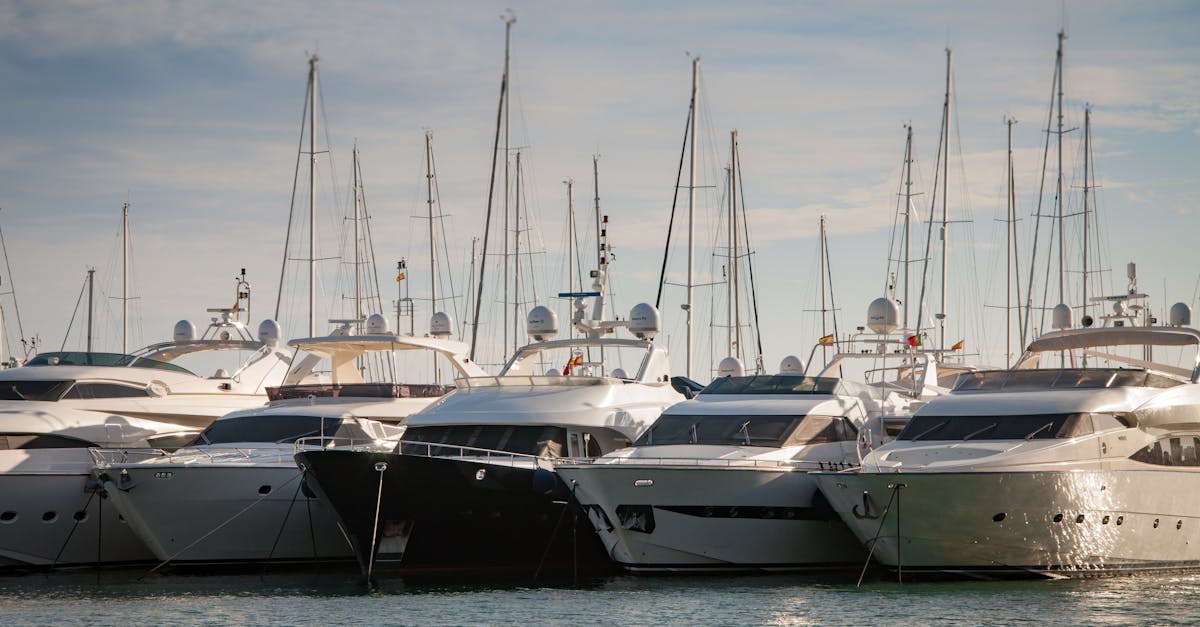
Running a small marina is a constant juggling act. Holiday weekends sell out, then a Tuesday sits quiet. Weather shifts, no‑shows pop up, and a lean crew wears every hat. What if you could make Tuesday nights look more like Saturdays—consistently?
Practical AI helps you solve the marina math. It forecasts seasonality and week‑to‑week demand from reservations, weather, and local events. Then it recommends dynamic pricing, optimizes your slip mix (transient vs. monthly), and automates reservations and messages—deposits, reminders, waitlists, even last‑minute reshuffles. The payoff: more filled slips, less idle dockage, and fewer manual tasks for your team.
You’ll raise occupancy without blanket discounts, cut no‑shows, and trim staffing hours—without adding headcount. In short, more revenue per slip‑night, less waste. That’s the promise when you use data the right way.
Spreadsheets show you what already happened. If‑then rules lock you into yesterday’s assumptions. AI learns from your actual reservations, slip classes, weather and tide patterns, and local events to spot demand signals you’d otherwise miss. It adapts in real time—so pricing, inventory, and staffing move as conditions change, not a month later.
How does that look on the docks? A storm threatens Friday—AI tightens cancellation windows, pings the waitlist, and suggests a small price nudge to keep occupancy steady. Tuesday bookings slump? It surfaces targeted mid‑week rates for 30’–40’ slips and opens shorter stays to stitch gaps. Regatta week heating up? It holds inventory for longer itineraries, raises minimum nights, and flags when to flip a low‑yield monthly back to transient.
The real win is less busywork for you. AI predicts no‑show risk, recommends the right deposit and reminder timing, and cues staffing so you’re not over‑ or under‑covered. It’s not static software; it’s built on adaptable, predictive, and autonomous decisioning that’s already boosting maritime operations. You don’t have to babysit it—just approve, tweak, or automate the actions you trust.
End result? Smarter dynamic pricing, a better transient vs. monthly mix, and fewer idle slip‑nights. When demand shifts with seasons or events, you’ll see it early—so you can plan booking windows and staff coverage with confidence.
Saturdays will always be popular. The question is which 30’–40’ slips go first during a regatta—and which sit mid‑week after a squall. Smart demand forecasting pulls your past occupancy by slip size/type, arrivals and departures, tide and weather histories, and local calendars (regattas, fishing tourneys, holidays). It learns lead times, average stay lengths, and no‑show patterns per slip class, giving you a clean 7‑, 14‑, and 30‑day outlook for each category.
Then you use those forecasts. Set booking windows by class (hold inventory for longer itineraries when spikes are coming). Open and prioritize waitlists the moment projected occupancy crosses a threshold—say 85–90%—so cancellations are backfilled fast. Match staff coverage to predicted check‑in peaks and lull hours to reduce overtime. And when wind or tide conditions threaten arrivals, shift reminder timing and deposit rules to curb last‑minute churn.
This isn’t guesswork. It mirrors proven maritime practice where AI/ML models using historical and real‑time maritime data (including weather) predict arrivals and bottlenecks and improve scheduling accuracy. You get that same edge—tuned to slip reservations and seasonal patterns at your docks.
The payoff is simple: fewer empty slips during peaks, less overstaffing during lulls, and smoother operations across every class. With clear demand curves in hand, you’re ready to turn insight into action on pricing and the right transient‑vs‑monthly balance.
Forecasts matter only if you act on them. That’s where guardrailed dynamic pricing earns its keep: set floors and ceilings by slip class and season, then let prices flex within those bounds based on lead time, live occupancy, and stay length. No price whiplash. No race to the bottom. Just smarter yield.
The playbook is straightforward. Use lead‑time curves so rates rise as occupancy hits 70%, 85%, 95%. Offer same‑day “gap‑fill” deals after 2 p.m. for empty 30’–40’ slips, but never below your floor. Increase minimum nights during high‑demand stretches; loosen them mid‑week to stitch short stays into awkward gaps. Add last‑minute bundles—power or pump‑out—to keep rate integrity. The metric to watch: revenue per linear foot, not just ADR.
Now optimize slip mix. Target a percent split of transient vs. monthly by season and event calendar. When transient demand spikes, convert a few low‑yield monthlies at renewal; in shoulder months, flip back to steady monthlies to reduce churn. Protect loyal customers with transparent policies: early‑renewal windows, small loyalty credits, and clear blackout dates so they don’t feel undercut by public promos.
This isn’t theory—marinas are already using AI‑powered business intelligence to analyze slip utilization and optimize pricing to uncover new revenue and reduce underuse. Put simply: you fill more slips at the right price, trim idle capacity, and keep goodwill intact.
Track results weekly: occupancy by class, Rev/ft, cancel/no‑show rate, and mix. With those dials set, you align pricing with what’s truly available in real time.
Paper calendars and radio calls miss the most important truth—who’s actually on the dock right now. A live dock map gives you one real‑time view of every slip so you can promise availability with confidence.
Connect your reservation system to occupancy signals: smart pedestals (power draw/breaker state), berth sensors, camera or ultrasonic triggers, and quick check‑in/out workflows (QR at the office, SMS on arrival, dockhand tap). These inputs become your source of truth, updating status the moment a boat plugs in, unplugs, or confirms departure.
Layer in Available to Promise (ATP). ATP matches verified occupancy with forecasted turns to decide which slips you can commit now, which to hold, and when to auto‑waitlist and backfill. It’s exactly what industry leaders describe: real‑time “Available to Promise” powered by IoT smart pedestals and sensors for instant occupancy updates. On busy weekends, that means fewer ghost reservations and tighter turns.
Example: a 40’ slip due out at 11 a.m. still shows power draw at 10:55. The system flags “pending departure,” soft‑holds an alternate, pings the waitlist, and cues a dockhand nudge. If the boat runs late, the guest gets the alternate automatically—no scramble, no double‑book.
The payoff? You’ll accept last‑minute bookings you’d normally decline, cut dock walks, and keep your website/SMS showing live availability. Marina reservation AI works best when the map is live—so your team spends less time guessing and more time on fueling and safety. And you don’t need extra headcount to do it.
Late‑night voicemails and repeat rate questions eat up time. Give boaters 24/7 self‑service. Put an AI assistant on your website, SMS, and Facebook Messenger. It answers FAQs (rates, depth, fuel dock hours), shows live availability by slip size, quotes totals with taxes/shore power, and can take or modify bookings—fully synced to your reservation system. No bigger team required.
Because it sees real inventory, the assistant can suggest the nearest fit when a slip is taken, propose alternate dates or lengths, or place the guest on a waitlist automatically. It handles deposits, sends confirmations and reminders, and nudges renewals before month‑end. Result: fewer no‑shows, fewer “Are you open?” calls, and far less back‑and‑forth so your crew can focus on docks, fueling, and safety.
This isn’t hypothetical. Marinas using chatbots for 24/7 inquiries, online reservations (Dockwa/Snag‑A‑Slip), and automated reminders report faster response times and lower call volume—especially after hours. You’ll also capture more last‑minute revenue when the system can confirm “Yes, that 40’ slip is open tonight” without phone tag.
Keep control with guardrails: rate floors, clear policies, and auto‑escalation to a human for complex itineraries or special requests. Add simple call‑deflection cues on voicemail and signage (“Text SLIP to get live availability”). Start small—top 20 FAQs and booking changes on a subset of transient slips—then expand as confidence and results build.
Start small, prove lift fast, then scale. In 90 days you can move from gut feel to data‑driven bookings—without rocking the dock. First, set your baseline: occupancy by slip class, Rev/ft, no‑show rate, call volume, and average response time. Pick a pilot group (e.g., 10–20 transient 30’–40’ slips). You’re not boiling the ocean here.
Phase 1 (Weeks 1–3): Data cleanup + essentials on. Normalize the last 24 months of bookings, rates, slip specs (length, beam, depth, power). Fix duplicates, align naming, map taxes/fees. Turn on online reservations for the pilot slips and enable deposits plus auto‑reminders (SMS + email). Publish clear policies and refund windows. Document today’s process so you can measure real before/after.
Phase 2 (Weeks 4–8): Forecast + limited dynamic pricing. Switch on demand forecasting for the pilot. Apply guardrailed dynamic pricing (floors/ceilings by class, small lead‑time steps). Test weekday “gap‑fill” offers only within bounds. Track lift weekly: occupancy by class, Rev/ft, no‑shows, and call reduction. Hold a 20‑minute huddle to accept/override recommendations and capture learnings. Don’t chase perfection—ship small tweaks.
Phase 3 (Weeks 9–12): Waitlists + chatbot + live dock signals. Add auto‑waitlists, a simple booking chatbot for FAQs and changes, and basic live dock inputs (QR check‑in/out or manual status; add sensors later). Expand pricing rules to adjacent slip sizes if KPIs hold. Introduce light ATP logic to promise availability confidently. Refresh customer messaging—loyalty credits, transparent floors—so trust stays high.
By day 90 you’ll have proof points, cleaner data, and a repeatable playbook. Keep manual override, log wins, and get ready to extend to all classes as results stack up.
When accurate forecasts meet live availability and smart automation, the math shifts in your favor. You fill more slips on quiet nights, protect peak weeks, and stop leaking revenue to no‑shows—without hiring more dockhands. In short, you turn demand forecasting, dynamic pricing, and self‑service booking into steady occupancy and lower staffing strain.
Here’s why this matters. AI takes care of the busywork—rate tweaks, waitlists, confirmations, reminders—so your team can focus on service, safety, and upsells at the fuel dock. Guests get instant answers and clean handoffs; you keep the personal touch where it counts: on the pier, not in the inbox.
The playbook is simple: trust the forecasts, let guardrails control pricing, keep your dock map current, and review a few key dials weekly (Rev/ft, cancel/no‑show rate, and mix by class). You’ll spot soft days early and plug gaps before they become idle capacity. Don’t overcomplicate it—consistency beats heroics.
If you want help picking the right tools, standing up a fast pilot, and proving ROI without disrupting operations, we’ve got you. 1808lab specializes in practical AI for SMB marinas—from data cleanup to rollout, with clear guardrails and measurable wins. Ready to turn forecasts into filled slips and staff time into standout service? Connect with us at 1808lab and let’s chart a smarter course.