 Your AI partner for the new era
Your AI partner for the new era
Your AI partner for the new era
Last Modified: December 9th, 2025
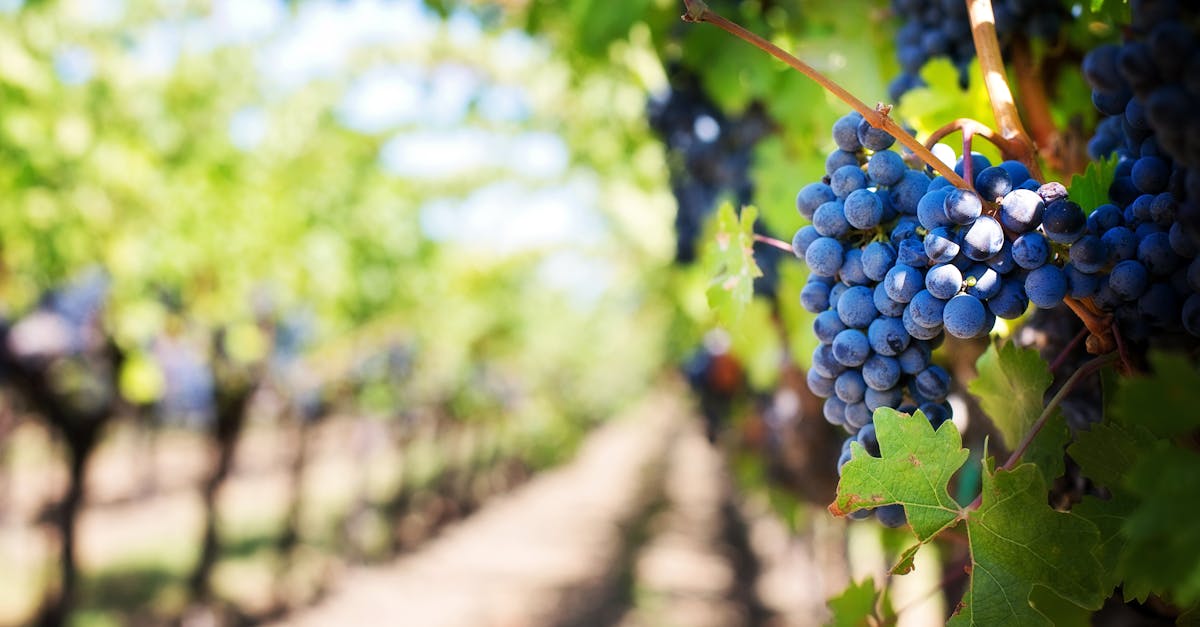
In a small winery, timing and demand make or break your season. AI helps you decide when to harvest, how much to crush, where to send cases (tasting room, club, e‑commerce, distributor), and how to price—so you cut waste and protect margins.
Think about it: a week‑late pick can shave quality and profit; over‑crushing stresses tanks and raises spoilage risk; under‑allocating the tasting room leaves cash on the table. AI blends weather forecasts with Brix and acid trends, POS and club velocity, and cellar notes to forecast demand and guide real decisions, day by day.
It’s not magic—it's practical. Even with lean teams and tight budgets you can get started. You don’t need tons of data—just the right bits for quick, measurable wins in cellar profitability.
Before you forecast demand or optimize harvest timing, get your data house in order. You don’t need a data lake—just consistent, clean inputs you can trust. Here’s the lean set that moves the needle fast.
Vineyard + Weather: Block‑level Brix, TA/pH, phenology (budbreak, veraison, harvest), canopy notes, and daily weather/7–14‑day forecasts (GDD, highs/lows, rainfall, heat spikes, wind). That’s your ripeness and risk picture.
Sales by Channel: POS and tasting room traffic, conversion, average ticket, and SKU sell‑through; wine club signups, skips, and shipments; e‑commerce orders and returns; distributor depletion (pull‑through) by market. This is your demand signal.
Cellar + Production: Lot IDs, crush dates, yields, fermentation temps, yeast/nutrient adds, racking losses, free/total SO₂, VA, tank usage. Spoilage risk and true cost live here.
Standardize the basics: Dates as YYYY‑MM‑DD, one canonical SKU/lot/block dictionary, consistent units (pick metric or US—dont mix), and clear channel tags. Keep it simple: a few shared Google Sheets/CSVs, one sheet per domain, and a 1‑page data dictionary. Weekly updates off‑season; daily during crush.
With just 12–24 months of organized records, you can produce reliable, channel‑level forecasts and practical harvest guidance. There’s evidence for this approach: a study that compiled pedoclimatic indices and used unsupervised ML found climate and practice data strongly shape wine quality and production. Clean inputs turn into clear pick lists and smarter allocations—less waste, steadier margins.
Your best wines come from a tight window. Miss it and you pay for it—quality drops, costs rise. AI helps you hit that window by fusing ripeness logs (Brix/TA/pH), canopy or in‑block sensor signals, and 7–14‑day weather to predict the optimal harvest date by block and varietal.
Here’s how it actually works. A simple model projects your Brix/acid trend forward, then layers in forecasted heat spikes, rainfall, and cool nights to map the quality window—and the risk of overripeness or dilution. This aligns with research showing that AI that analyzes climate, soil, and varietal data can optimize harvest timing and reduce risk. And the tech is getting accessible to wineries of all sizes.
The output isn’t theory—it’s a living, block‑by‑block prioritized pick list that accounts for fruit targets, crew availability, crusher/press tons per day, and tank space. Monday might pull a cooler‑site Pinot before a heat wave; Wednesday slots in Sauvignon Blanc while freeing a jacketed tank; Friday delays a Syrah lot two days to dodge rain. Bottlenecks calm down, and fruit doesn’t sit on a truck—or a vine—too long.
Operationally, you refresh the model each morning with yesterday’s Brix/TA, quick canopy notes, and the latest forecast. It re‑scores risk and updates the pick order. You adjust labor start times and crusher pacing accordingly. Even a lean setup—Sheets + sensor feeds + a lightweight model—can stabilize quality and reduce spoilage risk. You dont need a PhD; you need timely signals and a clear schedule.
When that pick list syncs with channel‑level demand and packaging plans, you protect margins from vineyard to glass.
One blended forecast hides risk. Build separate forecasts for each channel so you see real demand, not averages. Tasting rooms, clubs, DTC, and wholesale move on different calendars—and that’s exactly why you plan them differently.
Tasting Room: Weekend patterns, local weather, and tourism drive footfall. Use simple time‑series with weekday/weekend flags, 7–14‑day weather, and nearby events to predict traffic, conversion, and SKU mix. Outcome: right case flow to the bar, the right staff on the floor, and no Thursday stock‑out before a sunny Saturday.
Wine Club: Seasonality, release cadence, skips, and churn matter most. Forecast active members, take‑rates, and returns by shipment. Set bottling and packaging targets 8–16 weeks ahead, lock labels and glass early, and align insert printing with real volume—no pricey leftovers.
DTC/e‑commerce: Campaigns, email cadence, and promos move the needle. Model uplift from planned sends and ad bursts, adjusted for shipping windows and heat holds. That tells you how many mixed cases to assemble, pick‑pack labor needs, and when to pause discounts to protect margin.
Wholesale: Distributor calendars, resets, and chain authorizations rule the game. Forecast depletions by market and expected POs around resets or price moves. Build‑to‑order where possible; hold minimal safety stock where not. Tie this to capsule/label MOQs so you buy smart, not big.
Dont overcomplicate it: start with a lean time‑series, add weather and local events, then publish a rolling 12‑week plan for bottling runs, label procurement, and staffing. Fewer stock‑outs. Less overproduction. And your cellar plan finally matches what the market will actually drink.
Spoilage steals margin quietly. A few degrees too warm, a sluggish sugar drop, a touch too much oxygen—and quality slips. You can stop that. Continuous monitoring of fermentation temperature, sugar depletion (Brix/SG), dissolved oxygen, and ambient cellar conditions gives you early alerts before problems snowball.
Here’s how it behaves in practice. AI models learn your “normal” fermentation curves by varietal, yeast, and inoculation temp, then flag anomalies: stuck or racing ferments, risky temp swings, caps drying out, DO creeping up. You get a simple green/amber/red risk score per lot and a nudge on what to do next—warm gently, add nutrients, increase punchdowns, or slow cooling. Independent research backs this up: AI‑driven, real‑time fermentation control, microbiological screening (incl. mycotoxin detection), and end‑to‑end traceability reduce losses and enhance consistency.
Pair that with lot‑level traceability and tight QC checkpoints. Link every action—rackings, SO₂ adds, VA tests, DO at transfers—to the lot ID so you can isolate issues fast. If a lot trends high‑risk, quarantine valves, adjust gas, or filter a small portion—not the whole tank. Early, AI‑assisted micro risk flags (think Brett or LAB) help you intervene sooner, protecting both quality and compliance.
The outcome? Fewer stuck ferments, lower oxidation, less dumping, and steadier case yields. And honestly, it makes your cellar calmer. Fix what’s drifting, leave the rest alone. Then you’re free to focus on where the margin is won.
Use your demand forecast with real costs and aging profiles to decide what goes where—and at what price. Start by mapping contribution margin per SKU by channel (tasting room, club, DTC, wholesale) and adding carrying cost per month. Then ask the simple question: where does each bottle earn the most, soonest?
Build a margin map: COGS by lot (grapes, barrel time, glass/label, labor), target release windows, and weeks of cover. Flag limited lots and club obligations. High‑margin SKUs get priority allocation to club and tasting room; wholesale gets volume, but only after profitable channels are covered.
Set allocation rules: Reserve club commitments first. Protect tasting‑room exclusives for story and price integrity. For DTC, pre‑build mixed packs aligned to projected pull‑through. Cap wholesale on scarce wines; build‑to‑order where you can. Align barrel and tank turns with projected demand—schedule bottling to free tanks before crunch, not after.
Price for profit, not just velocity: Run small A/B tests in the tasting room ($1–$3 steps) or email DTC offers with and without perks. Track elasticity: hit rate, units per visitor, attachment rate. If a $2 lift trims volume 4% but raises contribution 6–8%, keep it. If it hurts club take‑rate, roll back. You dont need dynamic pricing—just tight guardrails and quick readouts.
Move slow inventory without discounting core labels: release micro‑batches, library drops, vertical sets, and on‑premise keg/by‑the‑glass placements. Consider a second label for declassified lots. Pre‑sell futures on small lots to pull cash forward. The result: faster cash conversion, less spoilage risk, and margin that actually sticks.
You don’t need a giant platform to get real results. Start simple, prove ROI fast, then layer in sophistication. Here’s a practical, low‑cost stack that fits a small winery and actually gets used.
1) Centralize your data (lightweight): Use shared spreadsheets or a small data warehouse to pull POS, e‑commerce, club, weather, and cellar logs into one place. Keep tidy IDs (SKU, lot, block), scheduled imports, and a single “clean” table for analysis. Thats your source of truth.
2) Forecasting without the fuss: Add a basic notebook or a no‑code forecasting tool to generate channel‑specific predictions (tasting room, club, DTC, wholesale). Publish a rolling 12‑week view for demand, staffing, and packaging. Keep the model simple at first; accuracy improves as your history grows.
3) Cellar monitoring on a budget: Drop in affordable temperature, Brix/SG, and DO data loggers for fermentation and storage. Stream readings to your sheet or a tiny dashboard. Set green/amber/red alerts via email or text so you catch drift early and cut spoilage.
4) Imagery when it’s worth it: If acreage and variability justify it, add periodic drone or satellite imagery to spot canopy stress and fine‑tune pick order. If not, skip it—you’re not missing the win.
5) Keep humans in the loop: Build easy overrides. Winemaker notes, crew constraints, and market context should adjust the plan. Even industry guidance underscores that AI boosts efficiency and sustainability across vineyards and fermentations, but it still needs human oversight. Use AI to sharpen judgement, not replace it.
Start lean, don’t overbuy. Prove value in 60–90 days, then layer sensors, models, and automation where they pay back fast.
You can’t improve what you don’t track. Focus on a tight set of winery KPIs that tie vineyard, cellar, and sales into one clear picture—then build the weekly habits to act on them.
Leading KPIs (prevent problems): forecast accuracy by channel (so tasting room, club, DTC, wholesale each show real demand); on‑time order fulfillment %; days‑of‑cover and stock‑out risk by SKU; average days‑in‑tank/barrel vs target; harvest‑to‑crush loss rate.
Lagging KPIs (prove outcomes): cellar spoilage incidents; rework/dump volume; stock‑outs that actually happened; gross margin per SKU and contribution by channel.
Run a 60–90 day pilot. Pick one varietal or one channel. Capture a baseline (last season or last 90 days), set simple targets (e.g., MAPE under 15% by channel, stock‑outs near zero, +2–4 pts margin on two SKUs), then compare week by week. Keep it visual: a green/amber/red dashboard that flags action, not just numbers.
Make it stick with light SOPs. Define who updates data (daily during harvest, weekly otherwise), who reviews alerts, and what the trigger actions are (shift pick order, adjust staffing, re‑route cases, tweak cooling). One page is enough: inputs, thresholds, owner, decision. Add a 30‑minute quick training and a cheat‑sheet so the team trusts the alerts. Dont overbuild—consistency beats complexity.
In weekly production and sales meetings, review the dashboard, confirm 3–5 actions, and log outcomes. Celebrate small wins fast: fewer stock‑outs, cleaner ferments, steadier margins. That’s how change takes root.
In your first 90 days, you can make a real dent in waste and margin leaks—without a huge system overhaul. Start by tightening data hygiene so you trust what you see. Get a single, clean view of vineyard, cellar, and sales. Thats what unlocks quick wins.
Next, publish lean, channel‑specific forecasts. A rolling 12‑week view aligns tasting room flow, club shipments, DTC packs, and wholesale POs. You’ll plan glass, labels, and labor with confidence—and avoid those last‑minute scrambles that cost you cash.
In parallel, layer a basic harvest timing model to surface your best pick windows by block. It won’t be perfect on day one, but it’ll keep you ahead of heat spikes or rain and smooth out crush capacity. Then add simple cellar monitoring—temperature, sugar drop, and DO alerts—to catch drift early. That alone trims spoilage and rework.
Finally, use these insights to guide allocations, pricing guardrails, and bottling sequences. Move limited lots to higher‑margin channels first, free tanks before crunch, and protect cash flow with smarter case builds. Keep it iterative, keep humans in the loop, and keep score with a small set of KPIs.
If you want a pragmatic plan that fits a small team, we can help. We’re an AI consulting partner for SMBs—design the roadmap, choose the right tools, and implement with minimal disruption. Ready to cut waste and boost profits? Talk with 1808lab and let’s get your 90‑day win plan moving.